

The first time I heard about permaculture was actually last year during my volunteering with GAIA last year.
When I started to read permaculture books, the main topic that I was interested for was how to set up a garden and mostly how to build an efficient and smart property. Almost one year later I’m back again to Kosovo for a workshop on permaculture, but this time with a real PERMACULTURE TEACHER!


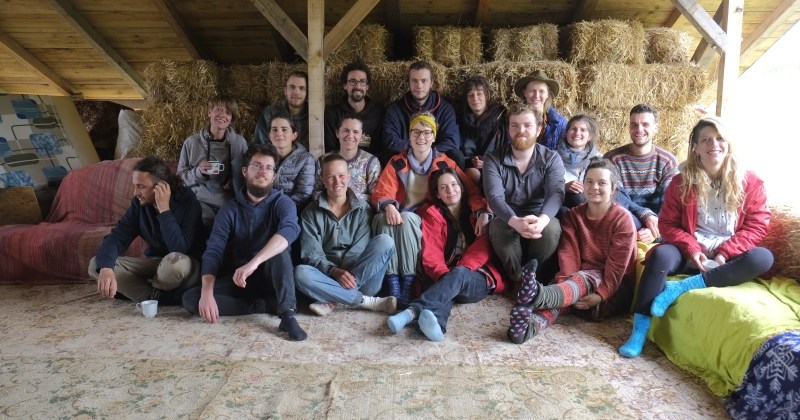
And I was not alone, we were 20 people from different countries with different jobs and different ways of thinking, but with one common goal: learn more about what permaculture is.

Despite what I was thinking, permaculture is much more than gardening or building smart; it’s kind a way of living.
“It depends“ was the sentence you could hear in every time and in every situation.
Because yes, in permaculture it depends . You need to adapt your strategy to your environment, take into account every advantage or disadvantage you could find in your surrounding and apply different solutions to different problems.


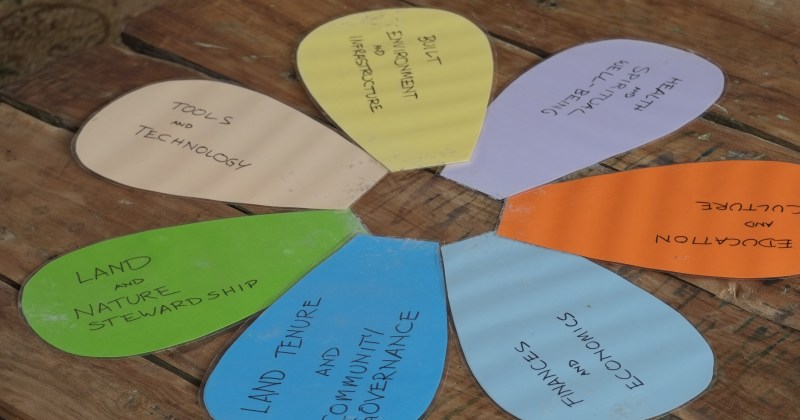
The permaculture can be defined through 3 ethics and 12 principles which we should take in account if we want to improve our daily life.
Observe and interact Catch and store energy
Obtain a yield Apply self-regulation and accept feedback
Use and value renewable resources and services Produce no waste
Design from patterns to details Integrate rather than segregate
Use small and slow solutions Use and value diversity
Use edges and value the marginal Creatively use and respond to the change
I can’t really define what permaculture is in 3 lines, but the two guys (B. Mollision and D. Holmgren) who created it did it from these two words “permanent & agriculture”, which when mixed give “permaculture”.
Oh, and I forgot to tell you, one of the best and important value I found through those 3 days is to take care of people not only about your garden!
Earth Care People Care Fair Share
permaculture ethics
One of the GAIA’s project that I was involved in was 3peas project which was basically bring peace through permaculture. Since almost 2 years, volunteers from the entire world are working in the small village of Bozevce to build a place where it is possible to gather people from different backgroudns around the same table to learn about permaculture.
How permaculture is connected to GAIA’s Project?


In GAIA Kosovo we believe that we can change the world by small and personal actions, so what can be a better example than using permaculture to grow our food, collect water, reduce our waste, save our energy and care about people and future…
Max, May 2019


 Permaculture as a Path to Peace