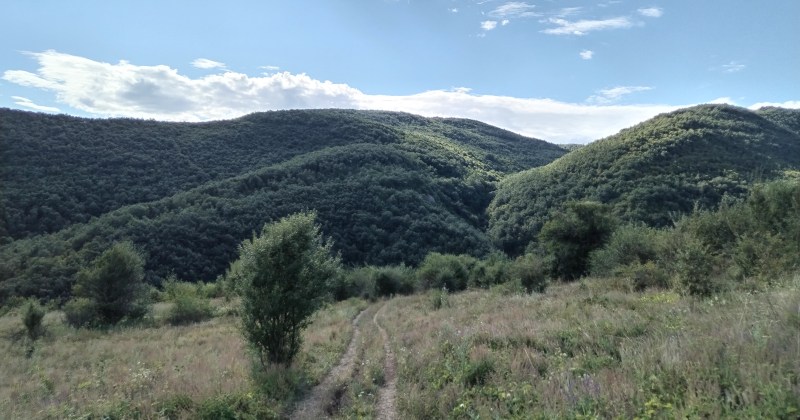
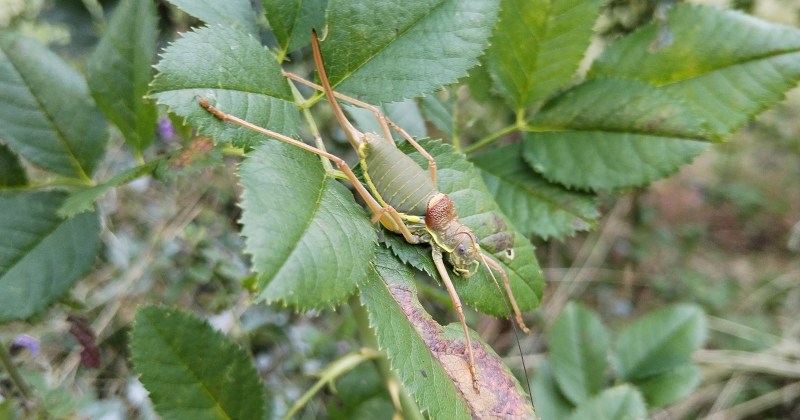
Grasshoppers, the hit of the summer

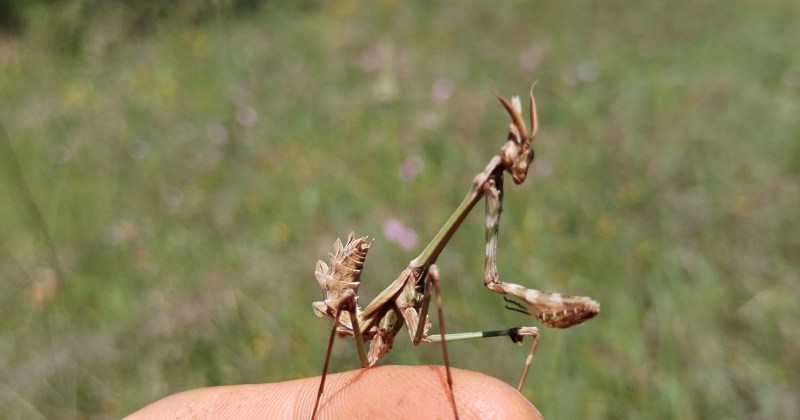
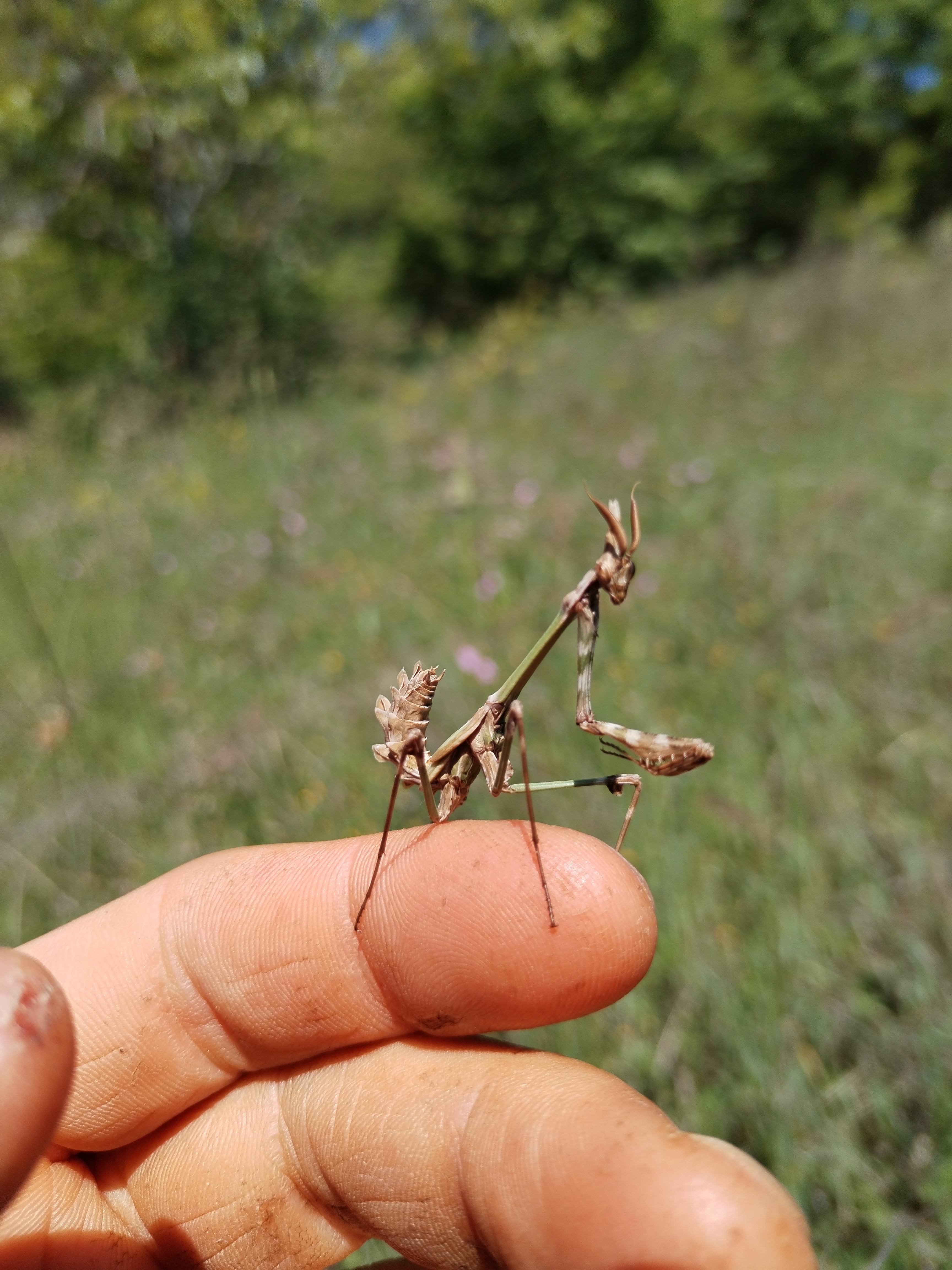
A warm afternoon during August in Bozevce. 35°C. Birds don’t sing anymore, it’s too warm. But some other creatures display their courtship songs. Krik-krik, krik-krik, Tss-tss-tss-tss, zziiip-zziiip-zziiip… Who are they? Crickets, grasshopers, and katydids!
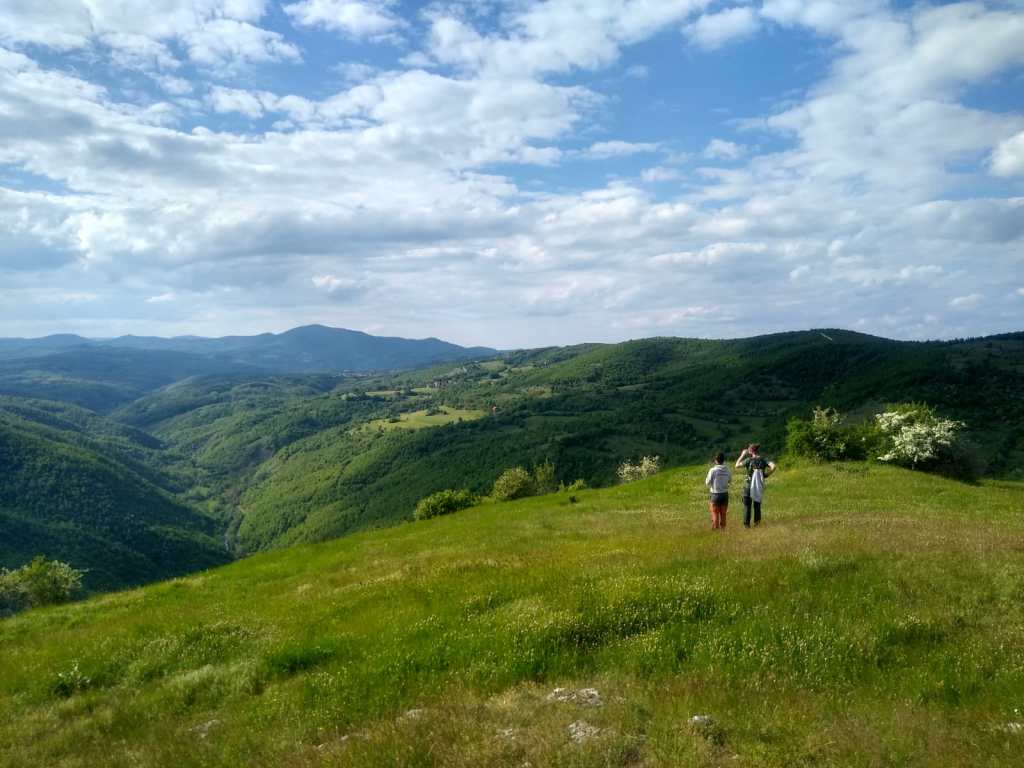
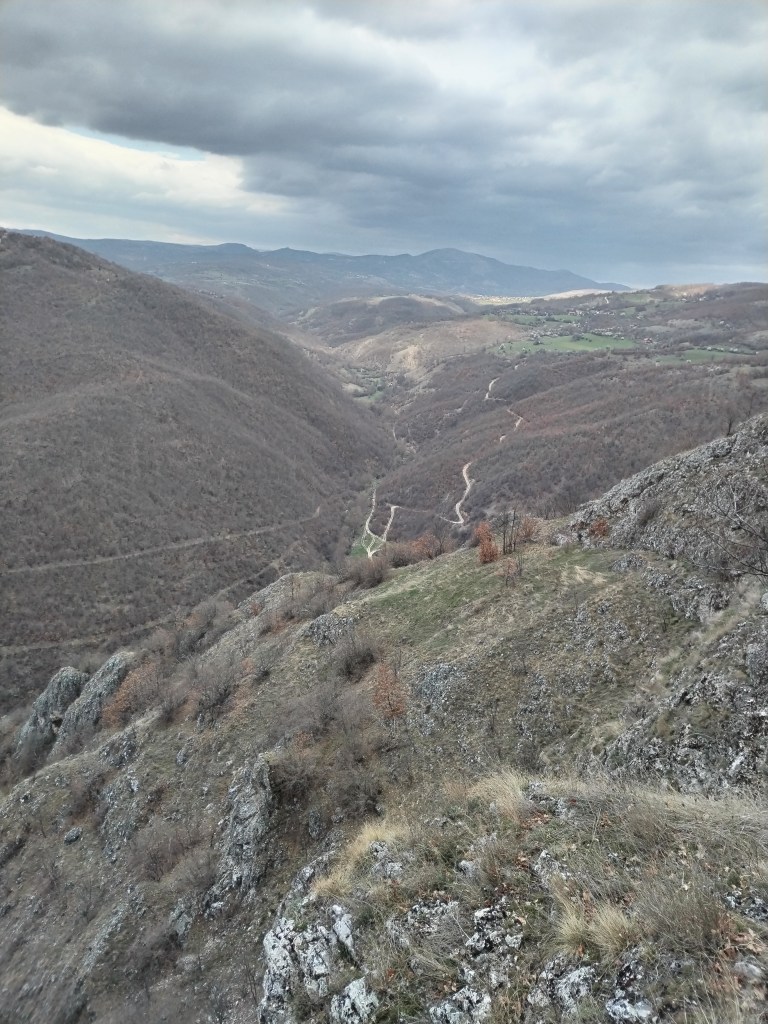
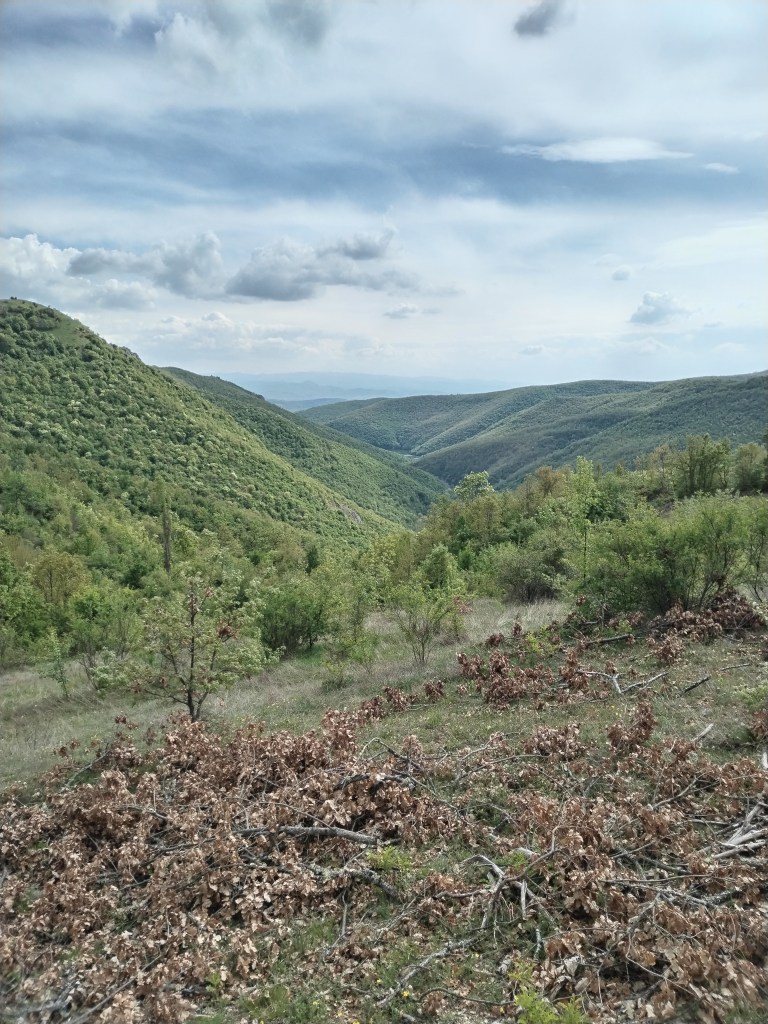
Bozevce diverse landscape, a haven for Orthoptera

Grasshoppers, crickets, katydids and locusts all belong to the order Orthoptera which means ‘straight wings’. Most are easily recognisable by their hind legs, which are usually enlarged for jumping. In fact, if humans could jump the way grasshoppers do, we would be able to easily leap the length of a football field!

Orthoptera undergo incomplete metamorphosis, meaning their young (nymphs) resemble the adults, just smaller and without fully developed wings.

Orthopteras are also famous for their sound production also called stridulation. These sounds are produced by rubbing the wings together or one leg against a wing. Many species use these calls to attract mates, and each species has a unique call. Some species don’t sing, and some katydids sing… but you will never hear them : they produce mating calls at frequencies beyond the range of human hearing (ultrasonic), some reaching up to 100 kHz. Location of Orthoptera’s “ears” (tympanal organs) is also surprising: they are located on the sides of their first abdominal segment (their belly) in grasshoppers or on the tibia of the front legs  in crickets and katydids.        

Most orthopterans are herbivorous feeding on a variety of plant materials including roots. However, katydids and crickets tend to be more omnivorous and some species are even scavengers or predators.

People have been consuming locusts and grasshoppers for centuries. Since they’re packed with protein, they’re an important nutritional staple, and are a regular component in local diets in many areas of Africa, Asia, and the Americas.

Grasslands, their quality, diversity and their sides habitats (hedgerows, banks, rocks…) are very important factors that explain the biodiversity of grasshopers and crickets

Orthoptera play important roles in the ecosystem such as being part of the food chain and prey to many vertebrate species. They are also sensitive to land use change and land use intensity, which makes them good bioindicators.

Almost 30 000 species of Orthoptera are known worldwide and approximately 1100 species in Europe. The Balkans region is particularly rich in Orthoptera species, with 300 species in the western Balkans, and much more in Greece and its islands.  Balkans are also considered as an hotspot of endemic species (species that are found only there and nowhere else in the world). Kosovo is one of the least studied European countries for Orthoptera. Nothing is known about the number of species (which is probably between 150 and 200 if we look at neighboring countries), their repartition or what endangers them.

In Europe, approximately 30% of species are threatened with extinction. The main threat to European Orthoptera is the loss, degradation and fragmentation of their habitats as a consequence of agricultural land use intensification. Other important threats to Orthoptera are the increasing frequency of wildfires, touristic development and urbanisation, climate change, afforestation and intensive forest management, drainage and river regulations, recreational activities, deforestation, limestone quarrying and sand excavations and invasive species.
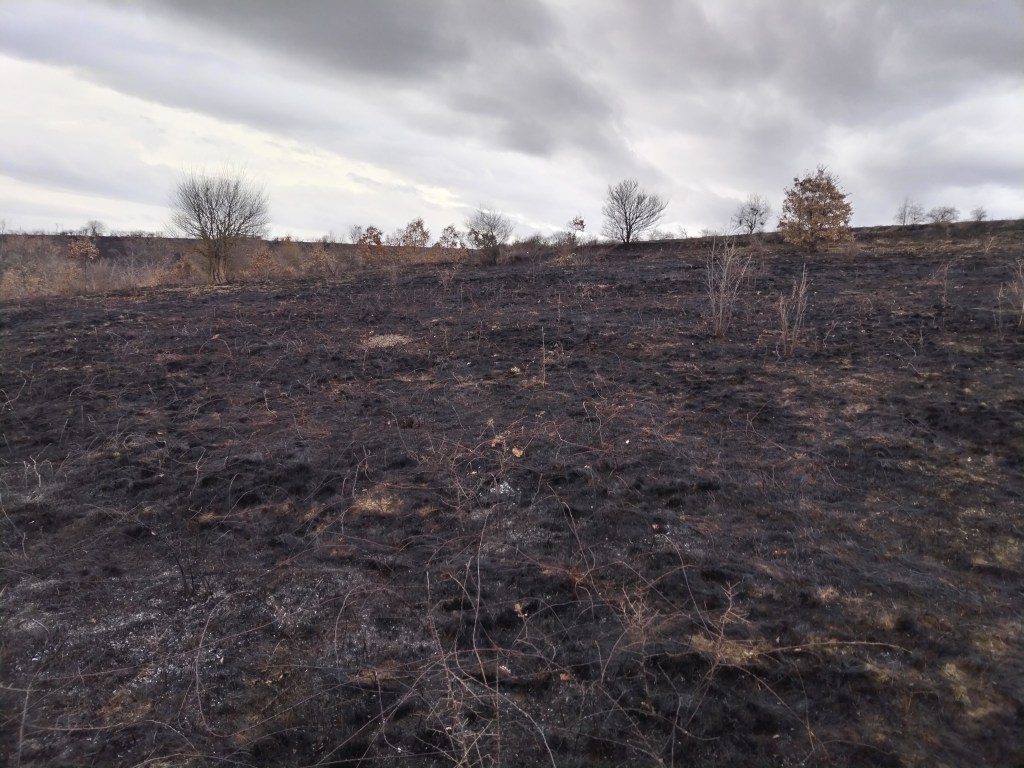
FIres are threatening orthopteras by destroying their habitats and killing eggs, larvae and adults that cannot escape.

Bozevce, with its diversity of grasslands and habitats, and its warm summer, is particularly rich in grasshoppers and crickets. 52 species were observed or heard (songs are very important for identification) there… and more are probably present! Due to the lack of research in Kosovo,  it is particularly difficult to study orthoptera: no books for identification, no specialists for help…

The Saddle-backed bush cricket (Ephippiger ephippiger) and the mole cricket (Gryllotalpa stepposa, Jacek Proszyk, CC BY-SA 4.0) two common species in Bozevce

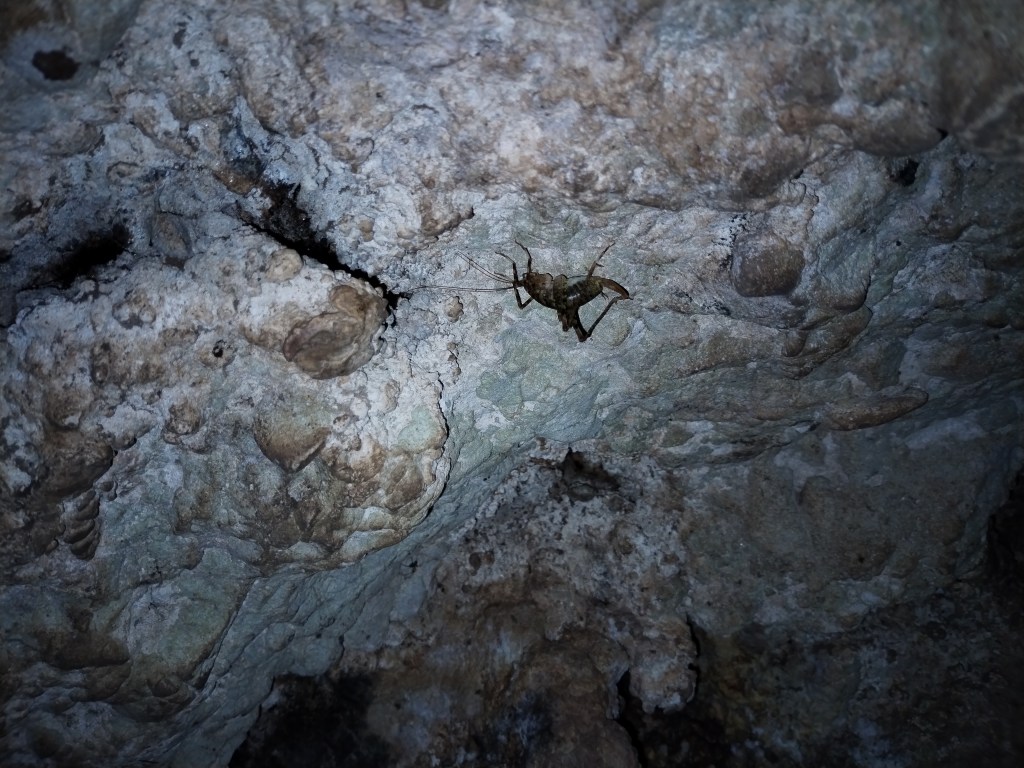
Banks of ditches are the favorite habitat of the strange mole cricket Gryllotalpa stepposa and of the tiny Pteronemobius heydenii. Lots of katydids and bush-crickets like to sing hidden in bushes, for example Ephippiger ephippiger or Ancistrura nigrovittata. Others live in trees, and notably oaks, where they find their food, and are mainly detected by their song, like Leptophyes punctatissima or Phaneroptera nana. Grasslands are the favorite habitats of grasshopers but also of some katityds and crickets. Some species, like the lily bush-cricket Tylopsis lilifolia or the small gold grasshoper Euthystira brachyptera will prefer tall grass, while others like Paracaloptenus caloptenoides and the blue-winged grasshopers Oedipoda caerulescens inhabits warmer area with very short grass and stones. Finally, one species, the cave-cricket Troglophilus neglectus is even adapted to life in caves: small eyes, long legs and long antennas to orient itself in the absence of light!

The Vagrant Emperor, emperor of the sky and migration

I still have to present the results of the inventory of Orthoptera (grasshoppers and crikets) and butterflies carried out last year in Boževce. But today, I’m going to tell you about a fantastic migratory species… and it’s not a bird!

The Vagrant Emperor (Anax ephippiger) is in fact a dragonfly, capable of impressive migration!

Male Vagrant Emperor (Anax ephippiger; CC-BY, Tim Adriaens)

Let me tell you about it. The story begins in tropical Africa (particularly in the Gulf of Guinea). There, during the monsoon season, between July and September, the vagrant emperor breeds in sunny, shallow ponds and marshes created by heavy rains. The female lays its eggs by inserting them into plant stems, rotting vegetation, or mud. The larva, which feeds on aquatic insects, develops in 2 to 3 months—a very rapid development for a dragonfly of this size, allowing it to colonize temporary environments.

Pair of Vagrant Emperor with the female laying eggs (CC-BY-SA, Broobas)

As soon as they emerge, between September and November, the new generation of adults begins to migrate. Depending on the wind direction, they then reproduce in the rest of Africa, the Arabian Peninsula, India and sometimes in southern Europe. The third generation emerges at the end of winter and will migrate again. Driven by warm southerly winds, thousands of Vagrant Emperor can then be observed in Europe in spring. The migration abilities of this species are exceptional, and it has even been reported in Iceland, Guyana, the Caribbean and Japan! The Vagrant Emperor is therefore a migratory dragonfly that reaches our territories via favourable winds. At the beginning of the dragonfly observation season (March-May), the individuals observed have migrated from their African birthplace. On the other hand, the individuals that would be observed in September or October could have been born in Europe. However, this species cannot survive the winter in Europe, and it is likely that the latest generation of dragonflies will return south, although this has never been formally demonstrated.

Left: Vagrant Emperor can fly for hours without stopping (CC-BY-SA, Broobas) ; Right : World map of observation of Vagrant Emperor

The vagrant emperor is not observed every year in Europe. Indeed, the extent of its migrations depends on the strength of the African monsoons, and therefore its reproduction in tropical Africa, and on the direction of the winds. Nevertheless, observations and waves of migration have become increasingly frequent in recent years, due to climate change, which favours this tropical species. It is also possible that the vagrant emperor will eventually be able to survive and reproduce in winter in southern Europe.

And in Boževce? On March 16, 2025, the sun was shining, and temperatures had been mild for several days due to persistent southerly winds. And under this perfect weather for the migration of the vagrant emperor, I was able to observe five individuals of this species, witnesses of the current global climate crisis.

Orchids, an unsuspected biodiversity

Everyone knows orchids. Thanks to their beautiful flowers, bright colors and sweet fragrances, orchids have become the queens of ornamental plants, perfect for embellishing a room. But who knows that there are 28,000 species of orchids in nature, making them one of the most diverse plant families? Before conquering our living rooms, orchids first conquered the world. They are found on all continents, and in all habitats. They have conquered mountains, meadows, wetlands, forests… It is in the tropics that we find the greatest diversity of orchid species, where 95% of known species live. Nevertheless, although more discreet, they are very present and diversified in Europe. Around 500 species are present in Europe. In Kosovo, 33 species are known to date, but there are probably many more. Indeed, the diversity of the neighbouring countries is double (66 species known from Serbia and 68 from Albania).

The Greater butterfly-orchid Platanthera chloranha and the white helleborine, Cephalantera damasonium, two orchids with not very flamboyant colors. Both were observed in Bozevce

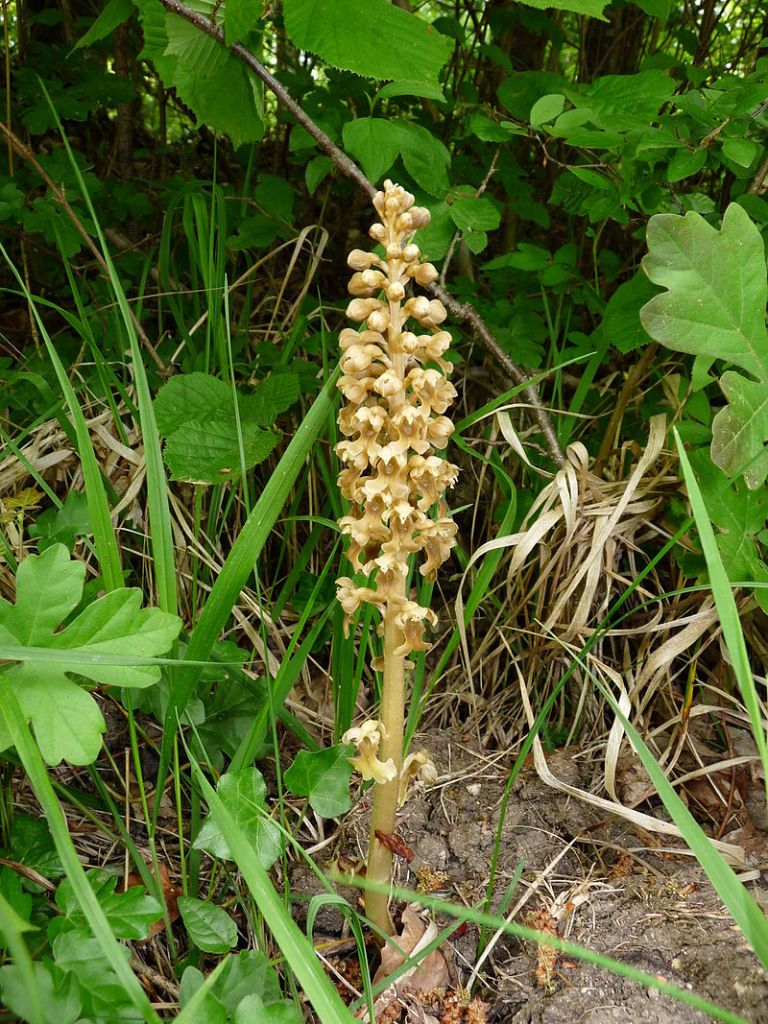
Their lifestyles are very varied. Most orchids are not directly rooted in the ground: they attach themselves to the trunks and branches of trees or to other plants thanks to their aerial roots. They are said to be “epiphytes”. Others are lianas, or grow on the ground, like most of European orchids. Some are parasites and take their food from fungus or from the roots of other plants. This is the case of one of the species observed in Bozevce, the bird’s-nest orchid (Neottia nidus-avis). As it does not perform photosynthesis (the way plants “feed” normally, using solar energy), this species is not green, but yellowish, and only its flowers appear a few weeks in the year to ensure its reproduction.

The bird’s-nest orchid (Neottia nidus-avis), a parasitic species (CC-BY-SA, Carpinien)

Some orchids are therefore parasites, but all are also mutualists: orchid roots host fungi that are essential to ensure the germination of the seed and the supply of water and minerals to orchids.

Other small organisms are essential to orchids: insects. To ensure their reproduction through pollination, orchids have developed flowers with very varied shapes, sizes and smells, in order to attract specific insects. It is this process of coevolution between insects and orchids that has resulted in the enormous diversity of orchids that we now know. Thus, some orchids will have large white flowers with long spurs to attract moths with long proboscis, others have colorful flowers that imitate the females of certain wasps or bees, and others will have small green or white flowers with a repulsive odour, which will attract tiny flies.

The diversity of size is also impressive: some orchids measure only a few millimeters while some orchid vines can reach 20 m long. The giant orchid, Grammatophyllum speciosum, can weigh more than 1 ton!

Apart from their importance as ornamental plants, orchids are also found in the kitchen… Indeed, vanillas (a hundred species are known) are vine orchids growing in tropical forests!

Flowers of Vanilla planifolia, one of the most cultivated vanilla species (CC-BY, Malcolm Manners)

Unfortunately, many species of orchids are also threatened by the development of human activities. The disappearance or modification of their natural habitats as well as the collection of orchids in the wild are among the most serious threats to orchids. Therefore, orchids are protected in many European countries and the international trade of wild orchids is regulated by the Washington Convention (CITES).

Orchids flowers can have very diverse shape. Here the Lizard orchid Himantoglossum calcaratum and the Bug orchid Anacamptis coriophora, both present in Bozevce

In Kosovo, orchids are little known and only one species was assessed in the recent Red Book of the Vascular Flora of the Republic of Kosovo. Assessed as “near threatened” in Kosovo, Gymnadenia friwaldii is also the only protected species in Kosovo.

Although I am not a botanist, I know a little bit about orchids. These iconic and colorful species are easy to spot and identify.

In Bozevce, 12 species were identified in 2024. This beautiful diversity reflects the preference of many orchids for calcareous soils, like those of Bozevce.

The orchids observed differ in size, color, or even their living environment. Some like meadows (the lady orchid, Orchis purpurea, the green-winged orchid, Anacamptis morio), others prefer rocky areas or with shorter vegetation (the bug orchid, Anacamptis coriophora, the woodcock bee-orchid, Ophrys scolopax) while others live on the edge of forests (the Greater butterfly-orchid Platanthera chloranha, the white helleborine, Cephalantera damasonium). The strange Lizard orchid Himantoglossum calcaratum can reach 1 m high while the discreet burnt orchid Neotinea ustulata does not exceed 10 cm. Some are not very colorful, with white or yellow flowers (the Greater butterfly-orchid and the the white helleborine) while others have beautiful pink hues (the pink-butterfly Orchid, Anacamptis papillionacea, the pyramidal orchid, Anacamptis pyramidalis).

The woodcock bee-orchid, Ophrys scolopax, the burnt orchid Neotinea ustulata and the pink-butterfly Orchid, Anacamptis papillionacea were all observed in Bozevce’s grasslands

This beautiful diversity of orchids suggests a rich diversity of plants. We hope to host some botanists this year to help us learn more about the plants living in Bozevce…

Mammals of Boževce: some emblematic species but still much to discover

Mammals. We are mammals. Most of the most famous animals are also mammals. Lion, Elephant, Whale. But also Bear, Wolf and Bison in Europe. We all know these emblematic species. What is less well known is that there are 6400 species of mammals throughout the world, and that most of these species are rodents (rats, mice, voles, 2500 species) or bats (1400 species).

Mammals are characterised by the presence of milk-producing mammary glands for feeding their young and the presence of fur or hair. Most of mammals are quadruped (walking with four legs), but in some, during the process of evolution, the limbs have been transformed to be adapted for life at sea (fins of dolphins and whales), in the air (wings of bats), in trees (prehensile tail and bipedal locomotion) or underground (digging forelimbs of moles). Mammals range in size from the 30–40 millimetres bumblebee bat to the 30 metres blue whale.

A mammalogist, a member of a very common species of mammal, Humans (Homo sapiens), photographed by a camera trap, a very useful device for studying mammals.

Many mammals are highly intelligent, with some having large brains, self-awareness, and the ability to use tools. They communicate and vocalize in various ways, such as through ultrasound, scent marking, alarm calls, singing, echolocation, and, in humans, complex language. Mammals can form different social structures, including fission-fusion societies, harems, and hierarchies, but they can also be solitary and territorial. While most mammals are polygynous, some species are monogamous or polyandrous.

The domestication of various mammals by humans was a key factor in the Neolithic Revolution, leading to the shift from hunting and gathering to farming as the main food source. This transition prompted a major change in human societies, moving from a nomadic to a sedentary lifestyle, fostering greater cooperation among larger groups, and eventually giving rise to the first civilizations. Domesticated mammals have long been vital, providing power for transportation and agriculture, as well as sources of food (meat and dairy), fur, and leather. They are also hunted and raced for sport, kept as pets and working animals, and used as model organisms in scientific research. Mammals have been featured in art since the Paleolithic era and continue to appear in literature, film, mythology, and religion.

Domestication of mammals was a major factor in the development of human societies

However, many mammals species face population declines and extinction, primarily due to hunting and poaching and habitat destruction and fragmentation, especially deforestation. 80 mammal species have gone extinct since 1500, and the total biomass of wild mammals has declined by 82 per cent since the beginning of human civilisation. Wild mammals now represent only 4% of the total mammalian biomass on earth, while humans and their domesticated animals make up 96%!

270 species of mammals inhabit Europe. Mammals are poorly known in Kosovo. Based on the existing studies and literature, only 46 mammal species are known in Kosovo. The number of mammal species living in Kosovo is probably much higher. For example, 82 species of mammals are known from North Macedonia, 75 from Albania and 96 from Serbia.

Among these 46 species known from Kosovo, 39 were evaluated by the Red Book of Fauna of the Republic of Kosovo. These 39 species are also protected. Mammals are considered as flagship species: they are beautiful and famous, meaning that people are more willing to protect deers than to protect an insect for example. Their protection can then benefit other species. In fact, some mammals are considered as “umbrella species”. Protecting these species indirectly protects the many other species that make up the ecological community of its habitat (the umbrella effect). Mammals are very sensitive to disturbance and to the destruction of their habitat and they often need a large area to live. Therefore, protection of the mammal species offers protection to other species that share the same habitat.

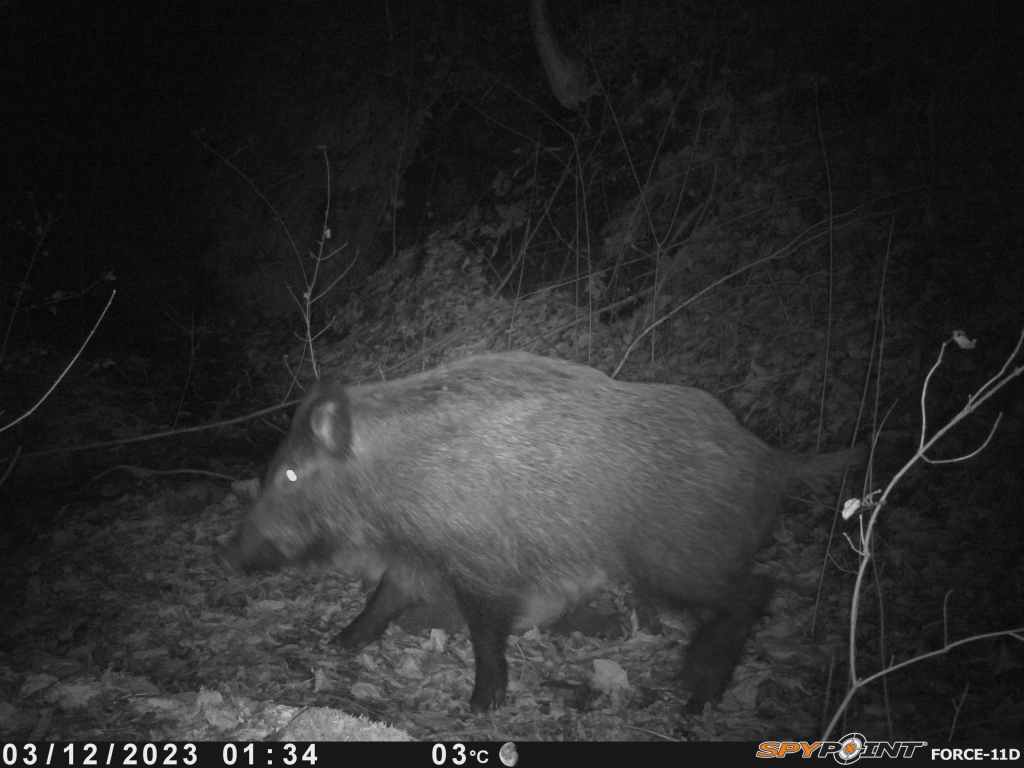
Wild boar (Sus scrofa), Wildcat (Felis silvestris) and Stone marten (Martes foina) were all detected in Bozevce using camera traps and not seen otherwise

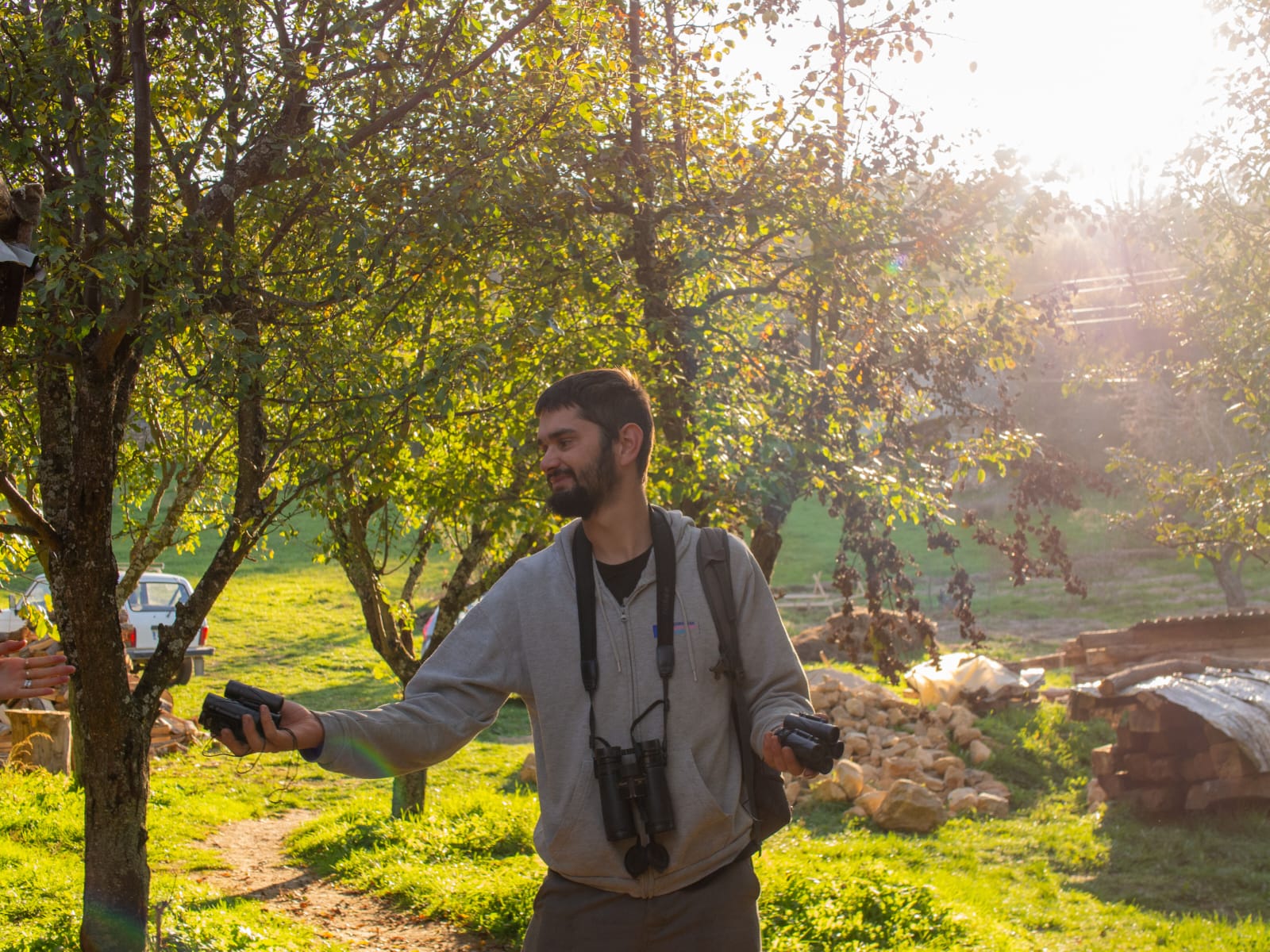
Mammals are very secretive and are therefore difficult to study. Mammalogists (scientists who study mammals) use different tools to study them: non-lethal traps for rodents and shrews, camera traps, footprints and droppings, or even acoustic recorders to detect bats.

Droppings of otter are easy to recognize and one of the best way to detect this very elusive species. They contain bones of fish and pieces of crayfish, and the smell is not unpleasant, some people comparing to the smell of honey. Footprints are also an important mean for studying mammals.

As I didn’t have neither traps nor acoustic recorders, my inventory of mammals of Boževce is far from exhaustive: just one bat and three rodents were observed. In total, 16 species were observed, it is likely that at least double the number of species are present.

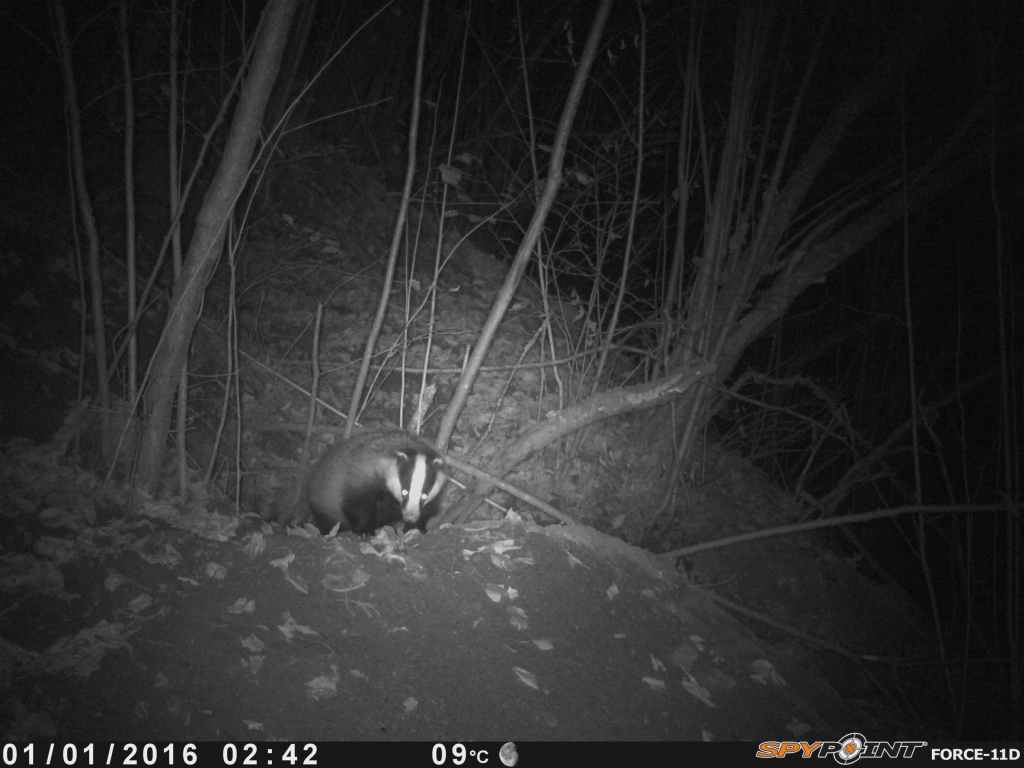
Carnivores are well represented in Boževce: wolves were observed twice (with a maximum of 4 individuals), and some pictures were also taken by a camera trap. Badger, fox, stone marten and wildcat were also detected with the camera trap. The presence of the otter was confirmed by the findings of droppings. Unfortunately, the river where the otter was present was damaged by regulation work and this modification of its habitat make it way less suitable for the otter. Otter and Wildcat are both considered as Near Threatened in Kosovo because of the destruction/modification of their habitat. Squirrel and dormouse were observed in the trees around our property. Wild boar and roe deer were also detected by camera trapping and are probably quite rare. Roe deer is considered as Endangered in Kosovo and is threatened by poaching. The European hare is quite common in Boževce. Finally, few small mammals species were observed, mainly after cat depredation: Northern white-breasted hedgehog, Black rat, European mole, Lesser blind mole-rat and Kuhl’s pipistrelle.

Badger (Meles meles), Wolf (Canis lupus) and Fox (Vulpes vulpes), species found in the forests of Bozevce

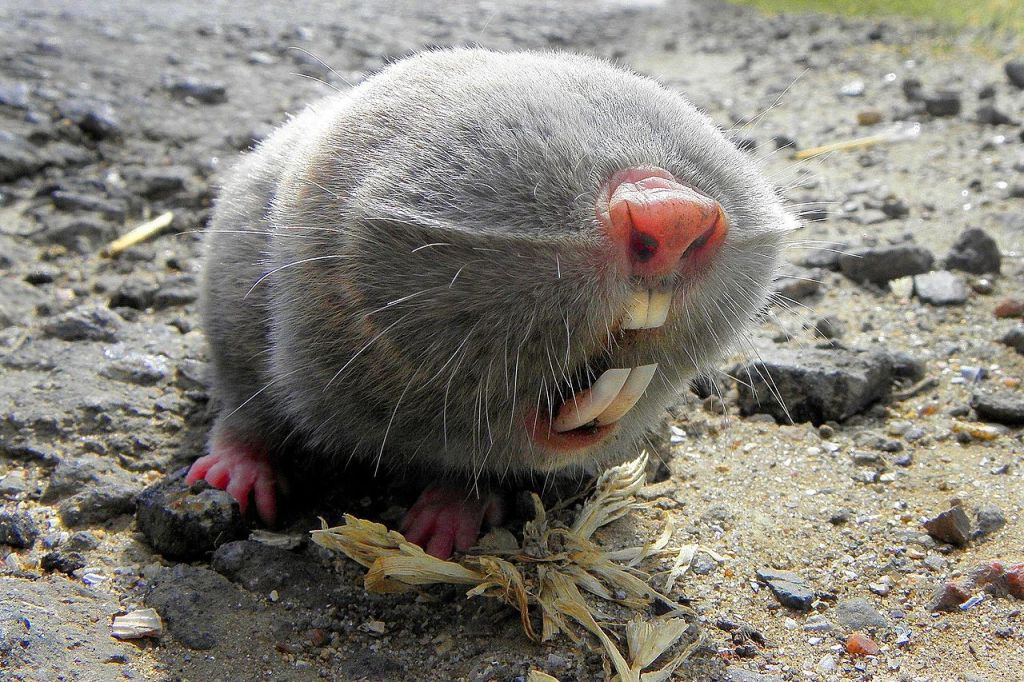
The lesser blind-mole rat is a peculiar underground rodent, which looks like a mole. It spends most of its life underground building complex tunnel systems, eating tuberous shoots during the night (potatoes, onions, carrots, parsley…). Because of these feeding habits, the blind-mole rat is considered as an agricultural pest and was and is still being persecuted. These persecutions and the loss of lowland meadows and pastures, its habitat, because of agricultural intensification, are threatening this species. For example, whilst once very common in Croatia, this species went extinct in Croatia in 1984. A small population was discovered in 2023 and is now carefully managed and protected. In Boževce, while lesser blind-mole rats are taking their due on our carrots and other veggies, we leave them in peace and they are still thriving in our garden.

Although not very beautiful, the lesser blind-mole rat (Nannospalax leucodon) is considered to be an ecosystem engineer due to its action on the soil. Therefore, its conservation is essential – (CC-BY-SA, Максим Яковлєв)

Our garden and Boževce are probably home to many other species of rodents and bats… but we have yet to find them !

The dragonflies of Boževce: formidable predators yet in great danger

Since their appearance 3 million years ago, dragonflies have been patrolling the skies on every continent. Capable of great aerial feats, dragonflies can move at an amazing 55 km/h, hover like a helicopter, fly backwards like a hummingbird, fly straight up, down and on either side. Easily spotted, these animals are formidable predators, aquatic in the larval stage then aerial and excellent flyer in the adult stage, which led a French scientist to say that “these insects begin their lives as combat swimmers and end them as fighter pilots”.

Their preys are diverse: the larvae feed on aquatic insects, particularly mosquito larvae, as well as tadpoles and small fish for the larger species. The adults capture flying insects, and also feast on mosquitoes.

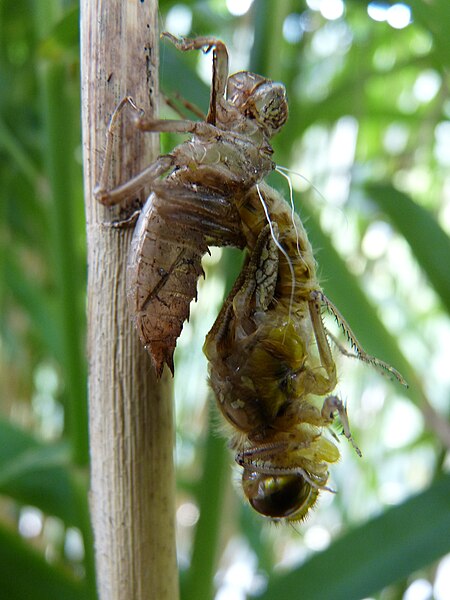
Dragonfly larvae, which have gills and are very different from adults, need water to develop. Thus, adults are most often seen near bodies of water. Some species prefer stagnant water, such as ponds, lakes, and marshes, while others appreciate rivers, streams, and other areas of running water. However, dragonflies can be found far from water, because they are able to travel great distances to feed, and some species are even migratory! Thus, at the end of spring or the beginning of summer, when the wetlands of northern Africa or southern Europe dry up, some species travel thousands of kilometres north. They then reproduce there, die, and it is their descendants, when autumn comes, who will make the return journey.

Dragonfly larva (Virgile Kuhn, CC-BY-NC-SA) and metamorphosis of a dragonfly emerging from its exuvia (Onésime, CC-BY)

Odonata (the scientific name for dragonflies) are recognizable by their two pairs of transparent wings, their elongated bodies and their large compound eyes that allow them to effectively hunt their prey.

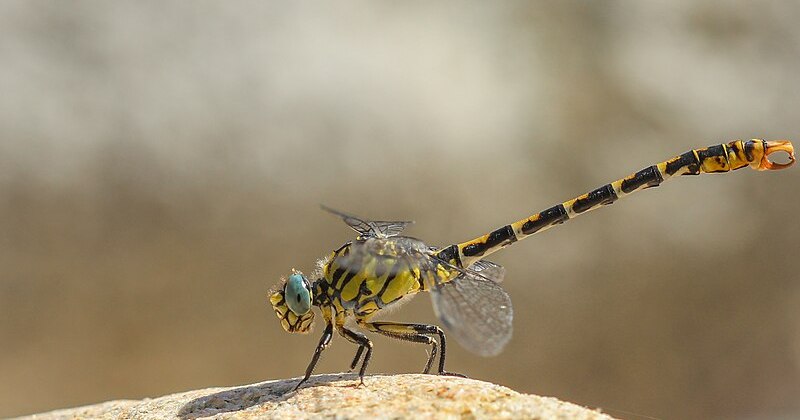
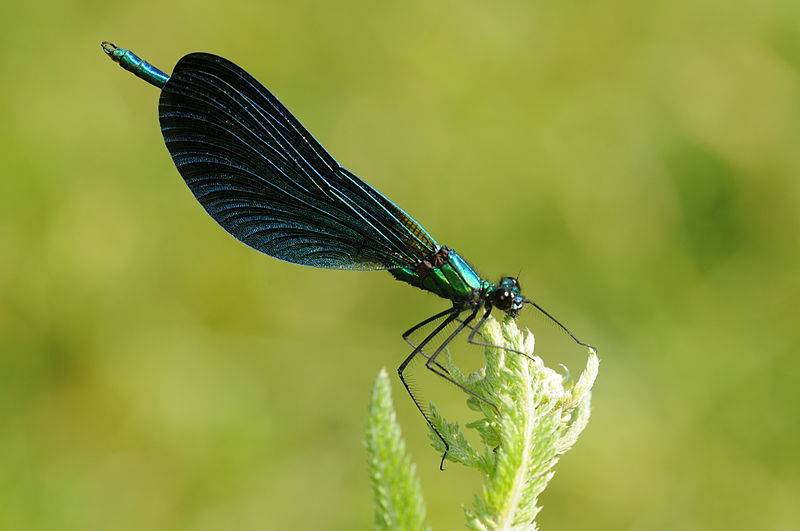
The order of Odonata is divided into two groups: true dragonflies, or Anisoptera, hold their wings flat and away from the body when at rest, and are often more massive, while damselflies, or Zygoptera, hold their wings folded at rest, along or above the abdomen.

An anisoptera, the Small pincertail (Onychogomphus forcipatus – Simon Thévenin, CC-BY-SA) and a Zygoptera, the Beautiful demoiselle (Calopteryx virgo – Zeynel Cebeci, CC BY-SA 3.0). Both species were observed along the Perlepnicë river in Bozevce

There are 6,400 species of dragonflies in the world, 143 in Europe… and in Kosovo? Kosovo is considered as one of the most understudied countries in Europe regarding dragonfly fauna. 47 species of dragonflies are known from Kosovo, but more species remain to be found, knowing that the number of species in neighbouring countries is around 60 (57 in Albania, 62 in North Macedonia, 63 in Serbia and 67 in Montenegro). Among these 47 species, 12 are included in the Red Book of Fauna of the Republic of Kosovo. 4 are classified as Near Threatened, 1 as Least Concerned (Not Threatened), and 7 species as Data Deficient (not enough data to know is these species are threatened or not). These 12 species are also protected in Kosovo.

Wetlands (ponds, rivers, bogs), where dragonflies breed, are fragile habitats that have been and continue to be subject to numerous modifications, destruction and pollution over the past centuries. Large scale land conversion, canalisation of rivers, construction of dams and reservoirs, drainage, water pollution, eutrophication and climate change are some of the numerous threats driving the decline of dragonflies.

Pollution and modification of their habitats are two importants threats for dragonflies, even in Bozeve

Many species of dragonflies have small distributions and are specific to certain habitats such as temporary ponds or brooks. Dragonflies are frequently used as indicators of environmental and landscape diversity and quality, because their sensitivity to habitat quality (e.g. water chemistry, river structure), their amphibious and short life cycle (they react rapidly to changes in their habitats) and the relative ease of their identification make their study well suited to assess environmental change.

Let’s now talk about dragonflies’ fauna of Boževce!

In Boževce, open water is quite scarce and so dragonflies’ habitats too. Dragonflies were observed along watercourses (stream and streamlets), around two ponds (one being in our garden) … and far from the water, in meadows and fields, where dragonflies go to hunt insects.

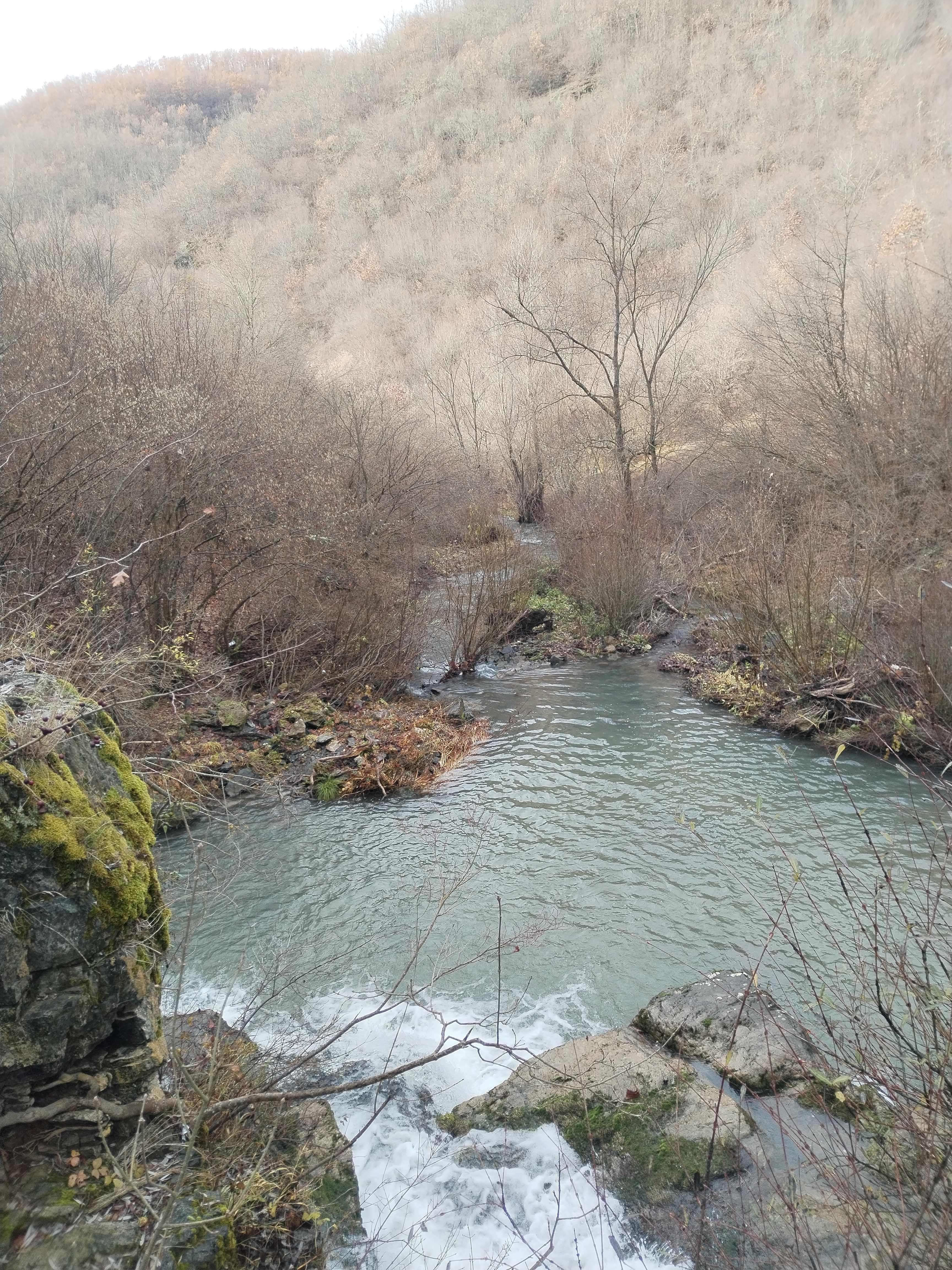
Habitats of dragonflies in Bozevce : streamlet, Perlepnicë river and pond

17 species were observed: 11 true dragonflies (Anisoptera) and 6 damselflies (Zygoptera).  7 of these species are linked to still water and were observed around the ponds. The 10 remaining species are linked to streams and other watercourses. Even if there are multiple streamlets in Boževce, most of them are small, and it’s likely that most of these species breed in the river that was destroyed in September 2024… Of these 10 species, 7 are threatened and protected. The Sombre Goldenring (Cordulegaster bidentata) and the Balkan Goldenring (Cordulegaster heros) are two similar species, whose larvae develop in small, fast-flowing, shaded streams. Both are considered Near Threatened in Kosovo. This is also the case for the Common Clubtail (Gomphus vulgatissimus) and the Small Pincertail (Onychogomphus forcipatus), two species that prefer sandy, sunny areas of streams. Another 3 species are classified as data deficient, due to the lack of data that does not allow to define their conservation status in Kosovo. The Southern Skimmer (Orthetrum brunneum) is a pioneer species which favours the same habitats as Gomphus vulgatissimus and Onychogomphus forcipatus. Finally, the Eastern Spectre (Caliaeschna microstigma), whose distribution is limited to the Balkans and Turkey, and the Balkan Emerald (Somatochlora meridionalis) are species of fast-flowing and shaded streams.

Scientists sometimes need to catch dragonflies to identify them. These manipulation are not damaging dragonflies but should be carried out only when necessary and by experts. Two rare species present in Bozevce : Sombre Goldenring (Cordulegaster bidentata ; left) and Eastern spectre (Calliaeshna microstigma; right)

Another species, the Large Red Damselfly (Pyrrhosoma nymphula), which prefer still water and was observed in large numbers around one pond, is also included in the red book as Data Deficient and is protected in Kosovo. Thus, 8 of the 12 species of dragonflies protected in Kosovo are present in Boževce!

Dragonflies are good indicators of habitat quality and environmental health. Before the destruction of the Perlepnicë river, it’s therefore likely that Boževce habitats were very biodiverse and healthy, not only for dragonflies, but for all the other organisms that thrive in and along rivers, and for people that are drinking water from this river. Thus, it’s crucial to stop the destruction of Kosovo’s rivers, and to protect these vital habitats!

Sources:

Boudot J.-P. & Kalkman V.J. (eds) 2015. Atlas of the European dragonflies and damselflies. KNNV publishing, the Netherlands.

Dijkstra K. D., Schröter A. & Lewington R., 2020. Field Guide to the Dragonflies of Britain and Europe. Second Edition. Bloomsbury Publishing, London.

Ibrahimi H., Gashi A., Rexhepaj D., Zhushi Etemi F., Grapci Kotori L., Fehér Z., Bino T., Šerić Jelaska L., Mesaroš G., Théou P., 2019 – Libri I Kuq I Faunës, Së Republikës Së Kosovës

Kalkman V.J., Boudot J.-P., Bernard R., Conze K.-J., De Knijf G., Dyatlova E.S., Ferreira S., Jović M., Ott J., Riservato E. & Sahlén G., 2010. European Red List of Dragonflies. Office for Official Publications of the European Union, Luxembourg, 29pp. Vinko D., Kulijer D., Etemi F. Z., Hostnik M., & Šalamun A., 2020. The first systematic survey of the dragonfly fauna of Kosovo. International Dragonfly Fund: Report, 2020 (147), 1-50.

Birds of Bozevce

They announce spring, are seen as messengers or symbolize peace, freedom or majesty; some are appreciated singers while others are unloved and considered pests; raised or hunted, they are sources of food, but also of feathers and fertilizer: birds leave no one indifferent and are everywhere, in our cultures and in our lives.

Birds are also known for their formidable migratory abilities: when winter comes, many species travel thousands of kilometres to reach their wintering area, where they will find much more favourable climatic conditions, but above all, food in quantity.

Birds’ habitat in Bozevce : rocky outcrops and oak forest, grasslands, and river

Birds, through their diversity and abundance, have enormous ecological importance. Indeed, they fulfil many ecological roles: scavengers prevent the spread of diseases by consuming carcasses, many nectarivores species contribute to the pollination of plants, while granivores participate in the dispersal of seeds, and insectivorous birds contribute to the regulation of populations of insects considered harmful to agriculture (Mariyappan et al., 2023).  

Despite their importance, birds are subject to many threats. About 129 species of birds have already become extinct since 1500, and more than 1000 other species disappeared during the colonization of Melanesian, Polynesian, and Micronesian islands. Today, 1500 species are listed as threatened by the International Union for the Conservation of Nature (IUCN), or 14% of the total. Many bird populations, even from common species, are declining worldwide. Threats are diverse: habitat loss is probably the most important one, but birds are also threatened by overhunting, pollution, invasive species and climate change (Norris & Pain, 2002).

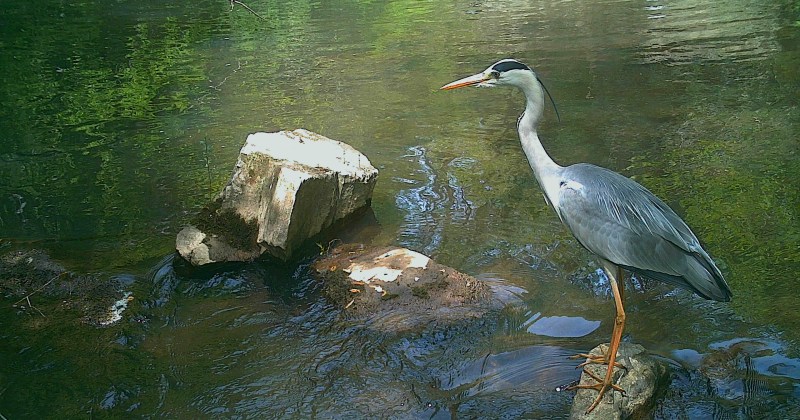
Kingfisher (Alcedo atthis ; Andreas Trepte, CC-BY-SA) and grey heron, two species threatened in Kosovo and present in Bozevce

During the inventory of Bozevce biodiversity, 108 species of birds were observed. More than 1000 data were entered on the observation.org database. These significant figures are linked to the diversity of habitat present in Bozevce: oak forests are home to warblers and tits, insect-rich meadows attract bee-eaters (Merops apiaster) and hoopoes (Upupa epops), and buntings and quails (Coturnix coturnix) nest there. Fish-filled rivers are the breeding ground for mallards (Anax platyrhinchos) and dippers (Cinclus cinclus) and the favourite fishing area for the kingfisher (Alcedo atthis) and grey heron (Ardea cinerea), two species protected and considered as threatened in Kosovo. Old houses are appreciated by swallows and sparrows for nesting, scrubby areas are the domain of shrikes and warblers, while rocky cliffs are the habitat of the raven (Corvus corax), the eagle owl (Bubo bubo) and the crag martin (Ptyonoprogne rupestris).

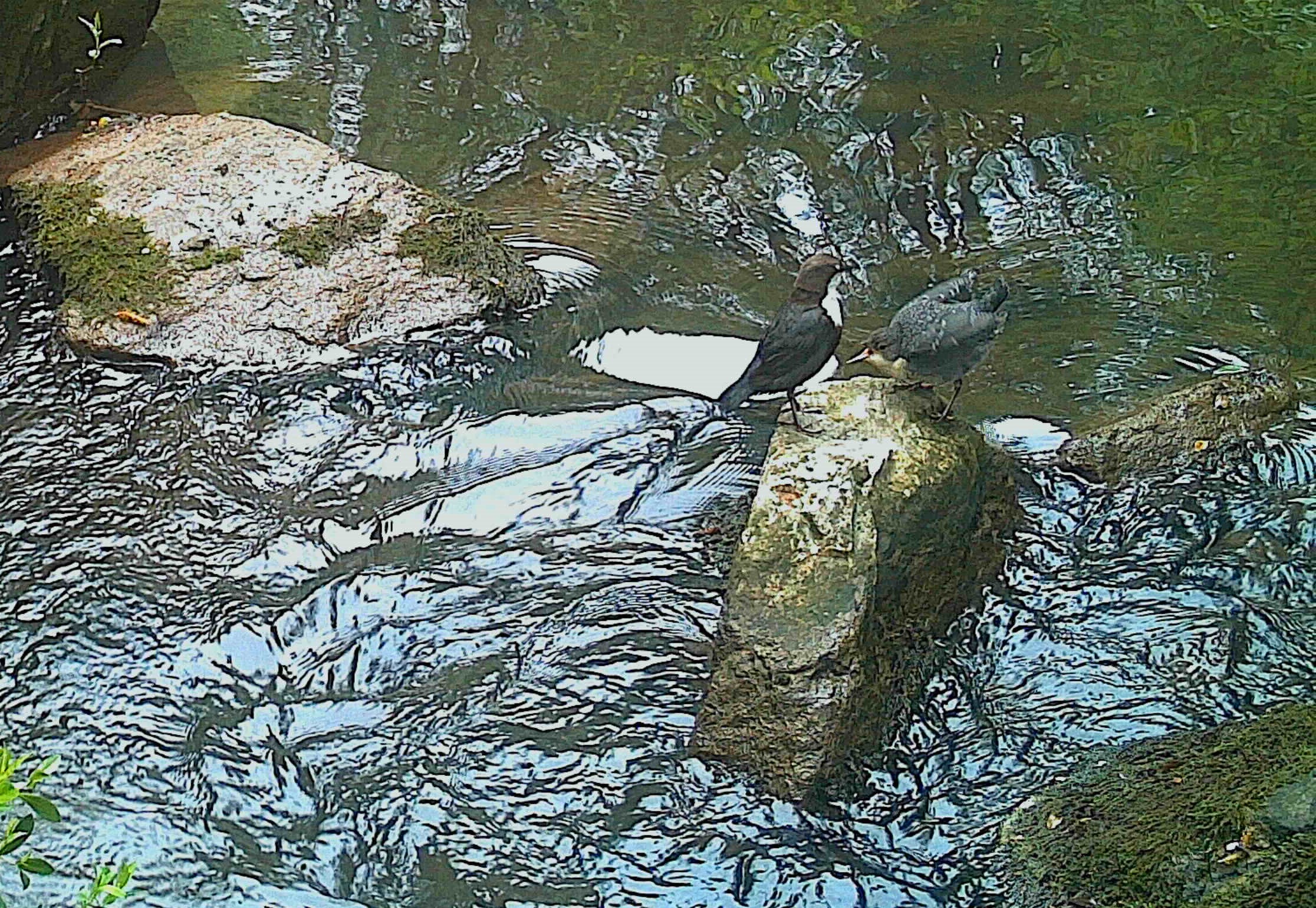
The camera trap, as nice tool to capture rare or elusive birds : common raven (Corvus corax), dipper (Cinclus cinclus) and common sandpiper (Actitis hypoleucos)

It is difficult to prove with certainty that a species nests in a specific place, except when we observe the nest, nestlings or an adult carrying food, However, based on the frequency of our observations, the existing habitats, and our knowledge of the biology of the species, we have estimated that the number of nesting species is around 55 species. While about twenty of these species migrate (such as the wryneck (Jynx torquilla) or the woodlark (Lullula arborea)) and spend the winter in more southern regions, about 35 (such as the nuthatch (Sitta europaea) or the sombre tit (Poecile lugubris)) are present all year round in Bozevce. With fifteen more species (including the brambling (Fringilla montifringilla) and the woodcock (Scolopax rusticola)) coming to us from northern and central European regions, there are about 50 species that spend the winter in Bozevce. Among the occasional species (about a dozen species), not nesting in Bozevce but sometimes making an appearance there to feed, we find the common swift (Apus apus) and the hobby (Falco subbuteo). Finally, there are about 25 migratory species that just pass through Bozevce during their migration. Some, such as the wood warbler (Phylloscopus sibilatrix) or the whinchat (Saxicola rubetra), spend a few days there, and use the opportunity to feed and regain strength for the rest of the journey. Raptors, on the other hand, such as the osprey (Pandion haliaetus) or the merlin (Falco columbarius), only fly over Bozevce during their migration. This is the case for 6 of the 14 species of raptors observed in Bozevce!

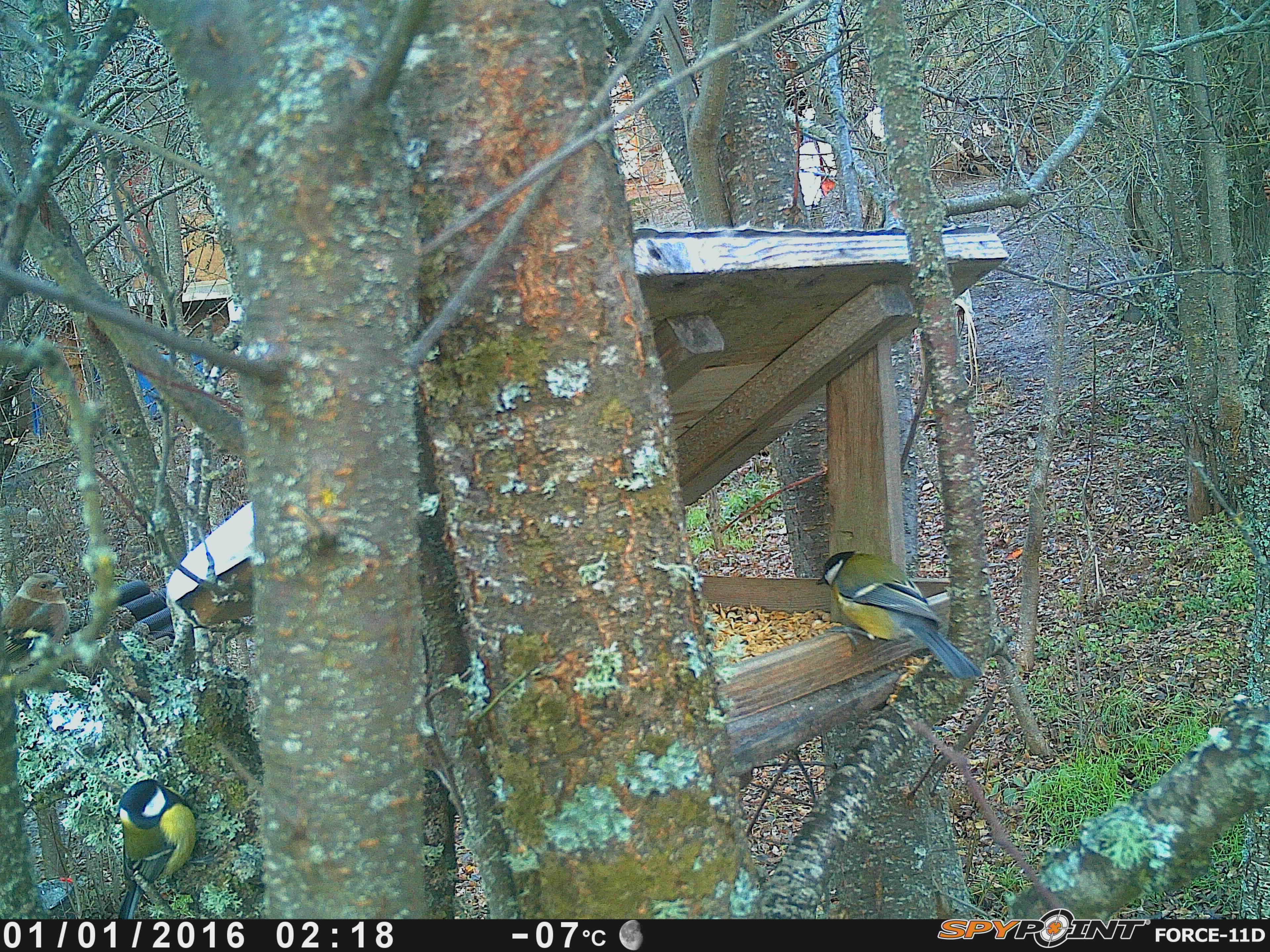
Chaffinch (Fringilla coelebs) and great tit (Parus major), jay (Garrulus glandarius) and eurasian tree sparrow (Passer montanus), 4 very common species on our property !

Source:

Mariyappan M., Rajendran M., Velu S., Johnson A. D., Dinesh G. K., Solaimuthu K., Kaliyappan M., Sankar M., 2023.- Ecological Role and Ecosystem Services of Birds: A Review. International Journal of Environment and Climate Change, 13 (6): 76-87. https://doi.org/10.9734/ijecc/2023/v13i61800.

Norris K., & Pain D. J., 2002. Conserving bird biodiversity: general principles and their application Cambridge University Press: 337p.

Bozevce biodiversity, the results of 2024

December. Winter is here, the cold too, days are short. While some birds spend the winter nice and warm in more southern regions, others try to find seeds in the fields and meadows. Reptiles and amphibians hibernate while most insects are no longer observable, waiting for the nice season in the form of eggs, larvae or chrysalis. And humans? They are resting from an intense year… and taking advantage of it to take stock.

Bozevce’s beautiful landscapes were my playground for one year… and will be for another year !

It’s been 6 months since I last wrote an article. It must be said that the year was intense: naturalist inventory, kids’ camp, trying to save rivers, hosting dozens of volunteers to talk about eco-construction, permaculture, energy or even biodiversity…

I am back in France for the winter, but I will return in February to Kosovo, in the heart of the beautiful and rich nature of the Kosovo hills. Did you say rich? Yes, it is! It’s time for the results.

In one year, I identified 16 species of mammals, 108 of birds, 12 reptiles, 7 amphibians, 114 of butterflies, 17 dragonflies, 52 orthopteras and 12 orchids. I didn’t expect to see so many species, and I’m sure I missed some! So that all these species are not just numbers, and so that you can realize the rich biodiversity of Bozevce, I will try to do an article for each group of species, as I did for reptiles and amphibians in my last article.

The rich biodiversity of Bozevce

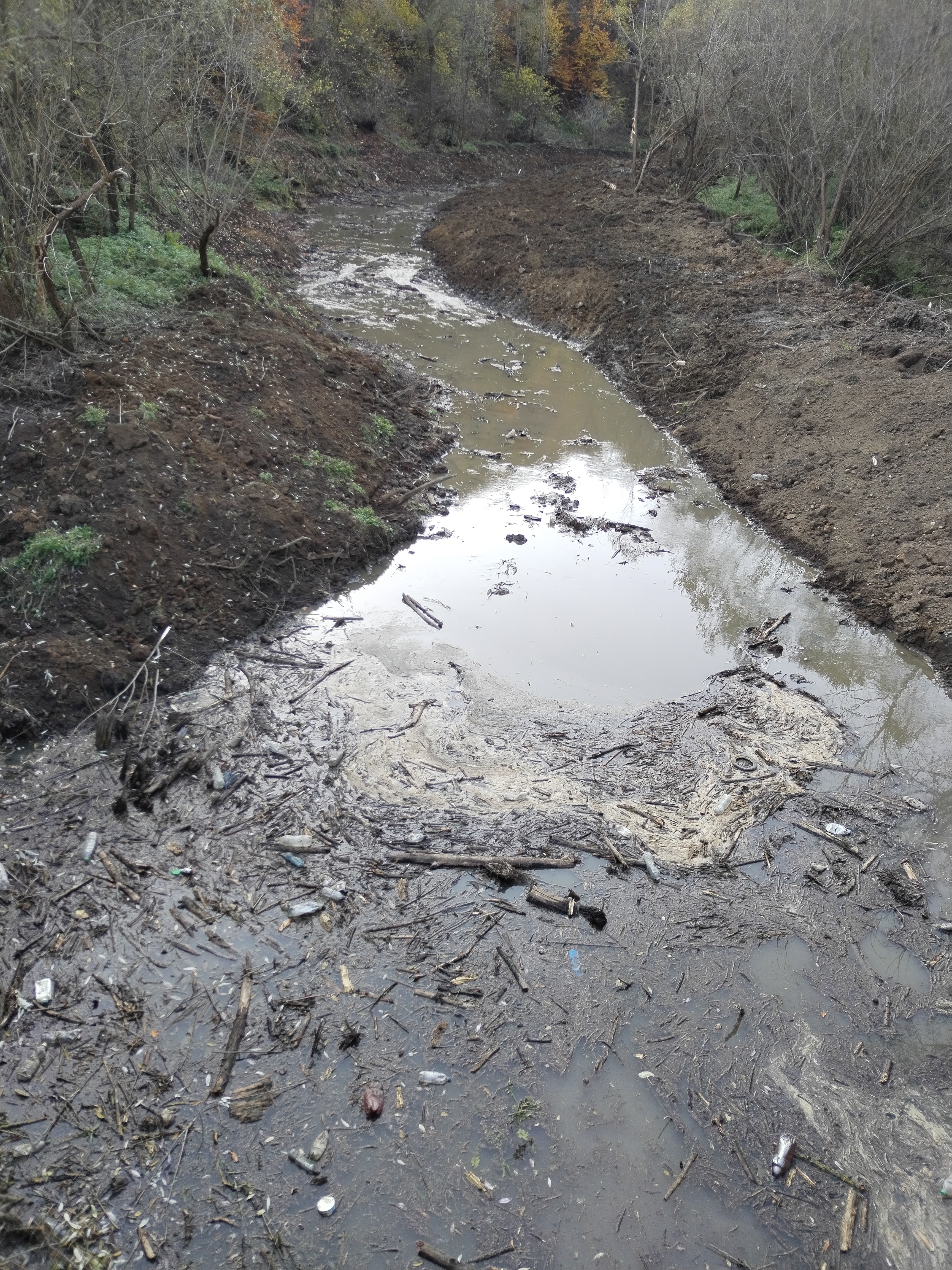
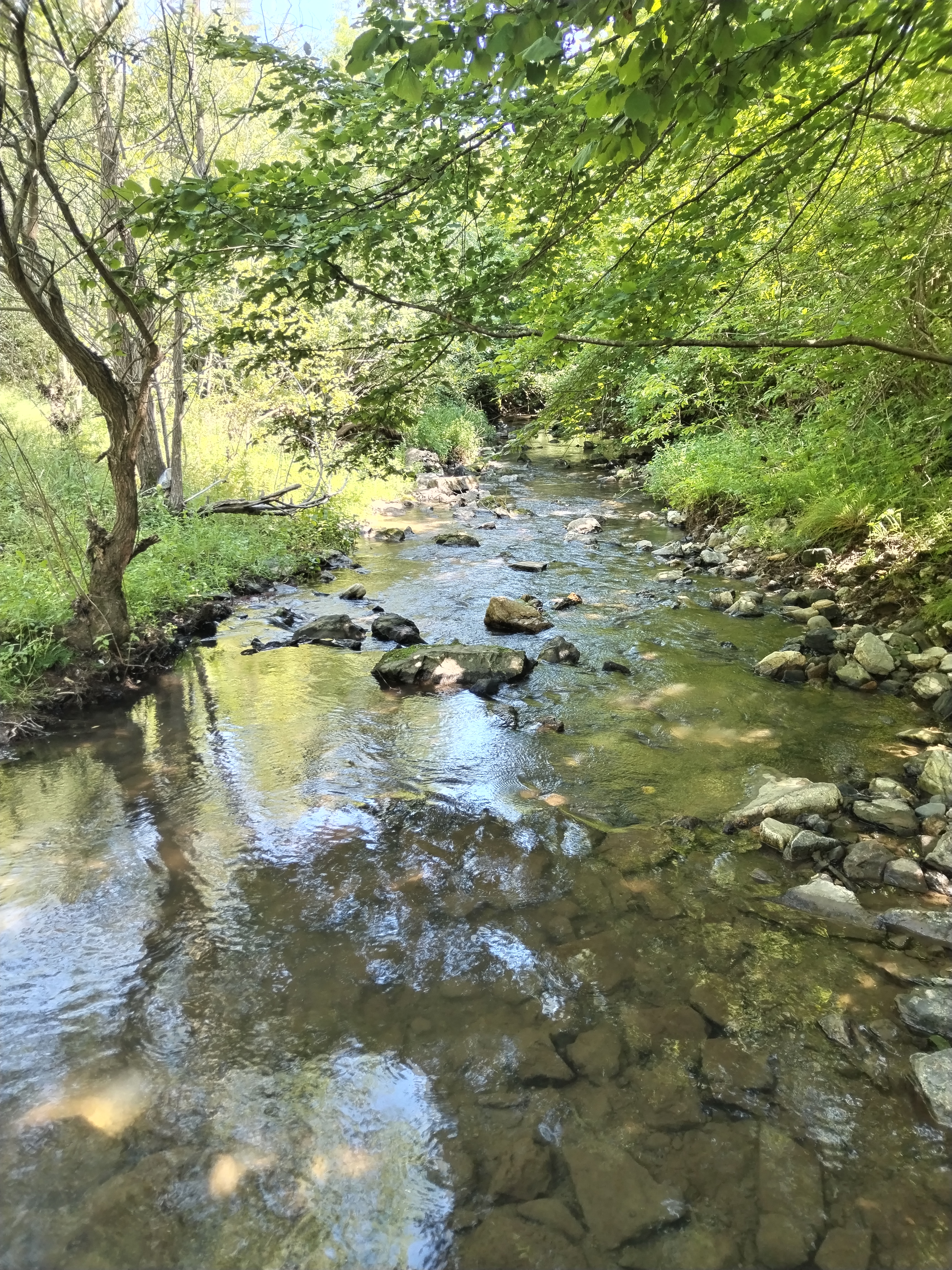
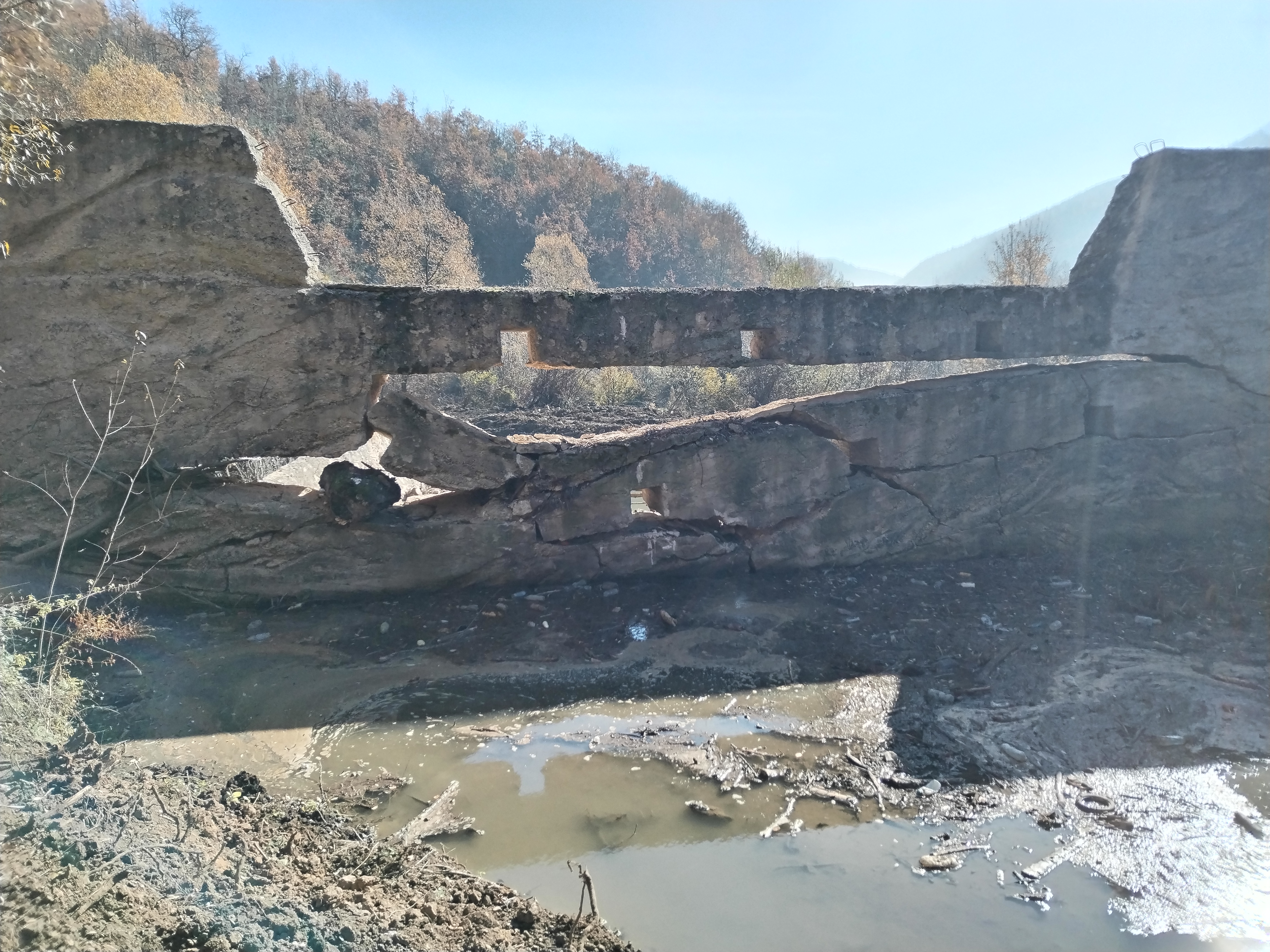
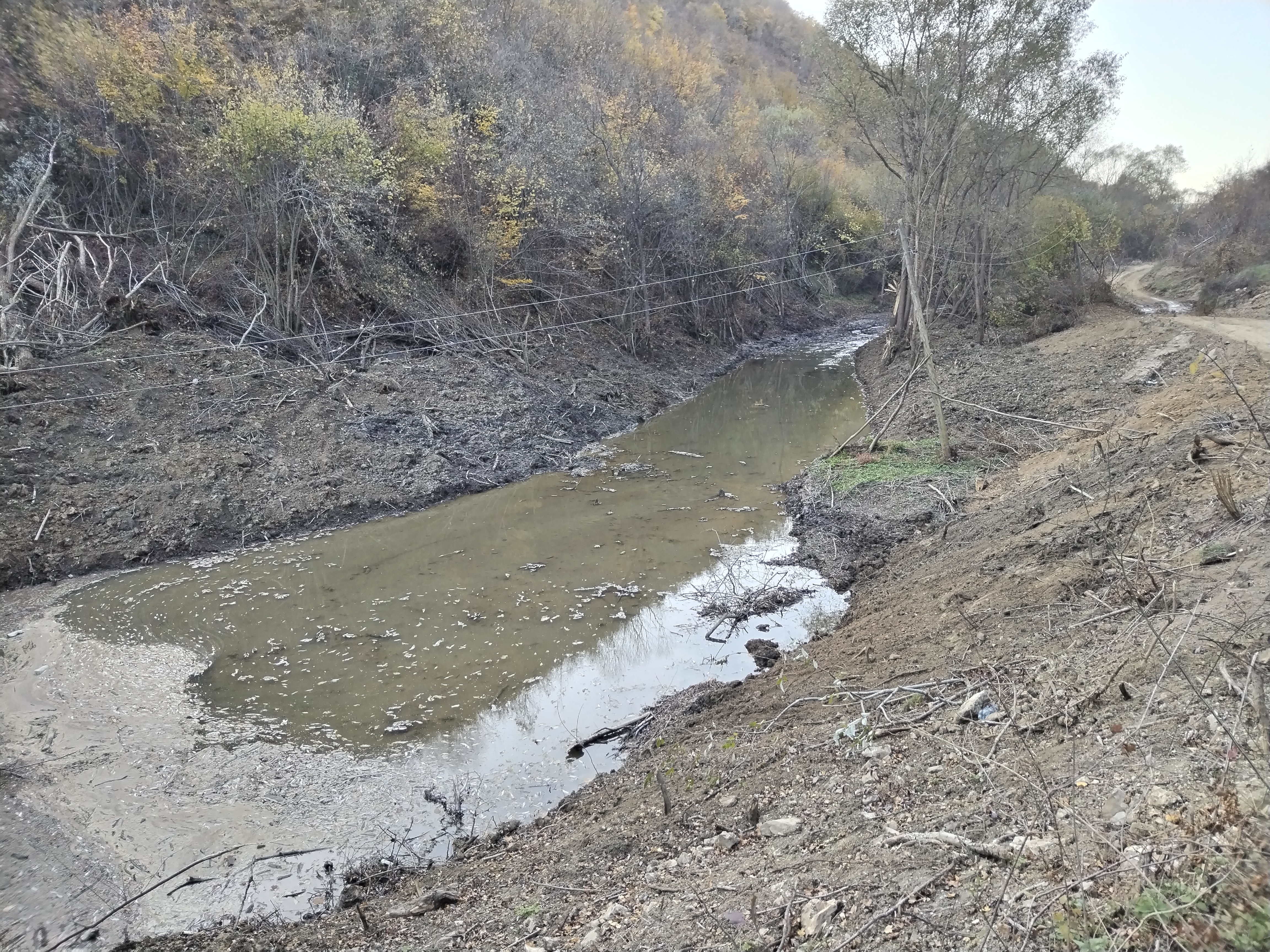
This inventory included the village of Bozevce, its meadows, fields, forest… and its river. The magnificent Perlepnica River, very natural, where I had observed many species (including the otter, the dipper, several dragonflies). But, one day, I found out that excavators were destroying it. We managed to alert all relevant authorities, but we did not manage to stop them, even though we learnt that the River and the Rock are under preliminary protection as a Nature Monument. Basically, since May this year, the River and the Rock have been protected by the Ministry of Environment as a Nature Monument. Next year, the Kosovo Institute for Nature Conservation will conduct a study, after what the Municipality will proclaim the area as protected. If you want to learn more about why the cleaning of Kosovo’s rivers is an ecological, economic and social aberration, you can read my article on GAIA website : https://www.gaiakosovo.org/2024/10/09/why-is-the-cleaning-of-kosovos-rivers-an-ecological-economic-and-social-aberration/.

The river before (left) and after its destruction

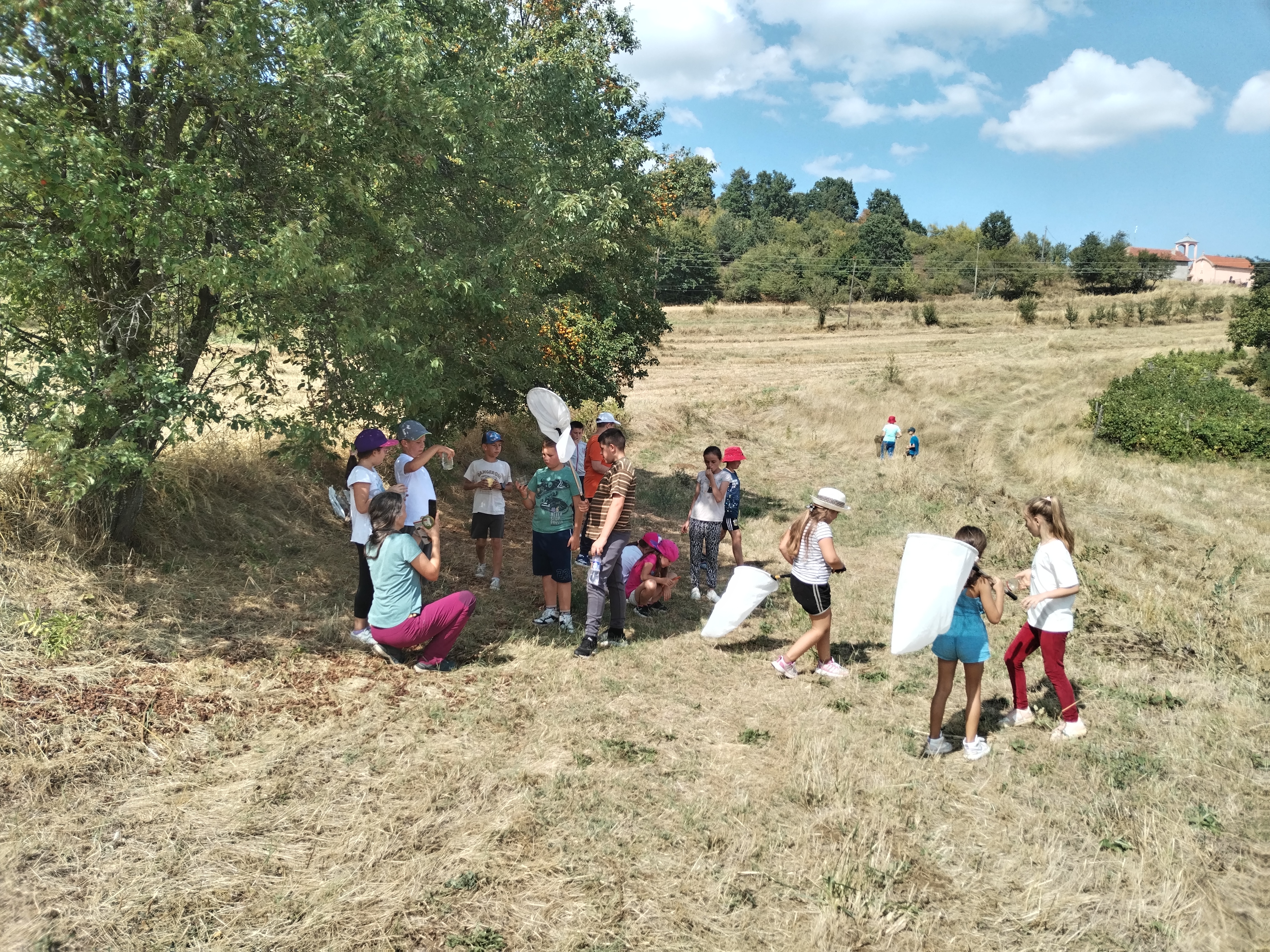
In 2024, we also organized 2 kids’ camps for children from the surrounding villages. We talked about biodiversity, insects, birds, arts, camping, learned how to use binoculars or how to set up a tent… The experience was appreciated and successful, and 3 camps will be on the program next year!

See you soon for the Bozevce birdlife report!
Bozevce’s reptiles

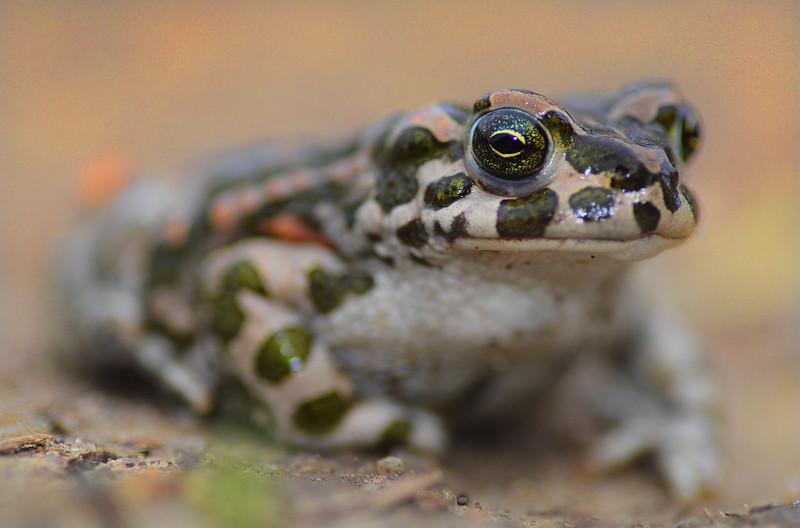
In a previous article, I presented to you the different species of amphibians present in Bozevce. Since then, I found one more species: the Green Toad (Bufotes viridis). While we were removing the old layers of paint in one of our basements, a Green Toad appeared in the rubble! This species likes warm and arid regions with sandy soil where it can excavate burrows to hide during the day. Not exactly the kind of soil that we have in Bozevce, but this toad finds another cool place!

Green toad (CC-BY-NC-SA, Alexandre Roux)

And now, it’s time to talk about reptiles! Reptiles include turtles, crocodiles, snakes and lizards, and are characterized by a scaled skin. What we call traditionally “reptiles” are not a “proper group” scientifically: they do not form their own branch in an evolutionary tree and share a common ancestor with birds. For example, crocodiles are more closely related to birds than to lizards!

Today, more than 10 000 species of reptiles are known in the world. Most of them live in tropical areas. In fact, reptiles are ectotherms: they cannot regulate their body temperature and rely completely on environmental warmth to maintain their preferred temperature. Living in colder habitats is therefore challenging for reptiles, and only a few specialized species live on mountain tops or at higher latitudes.

Kosovo is a very biodiverse country for reptiles. Out of the 120 species that inhabit Europe, 22 are known to live in Kosovo. Two main reasons can explain that. The diversity of habitats is important in Kosovo, thanks to variation in geology, elevation (from lowland to high mountains), and climate (from Mediterranean to continental climate). The other reason is historical: during the last ice age, the southern Balkans was one of the few areas (with Italian and Iberian Peninsula) in which species took refuge when northern climates were too cold for them to persist. Today, these climatically more stable areas still host a relatively large number of species.

In the middle of this biodiverse Balkan peninsula, is Bozevce also rich in reptiles? Yes! I observed 12 species there. Bozevce’s diversity of habitats is very favourable for reptiles: meadows, grassy slopes, shrublands, forests and their edges, rocky outcrops… There, reptiles can find food, shelters, and a large choice of micro-habitats (stones, shady places…) to manage their body temperature according to their preferences.

Quite common in Bozevce are the Hermann’s Tortoises (Testudo hermanni), that I observed often basking or grazing in paths and small roads. I even observed a female digging in the ground to lay her eggs. However, I did not observe a single juvenile, only turtles appearing quite old (their shells are often damaged). This could mean the population fails to reproduce or the young fail to reach adulthood. This worrying observation is shared in Kosovo where the Hermann’s Tortoise is considered Near Threatened and declining, in the Red Book of Fauna.

Hermann’s tortoise digging her nest in Bozevce

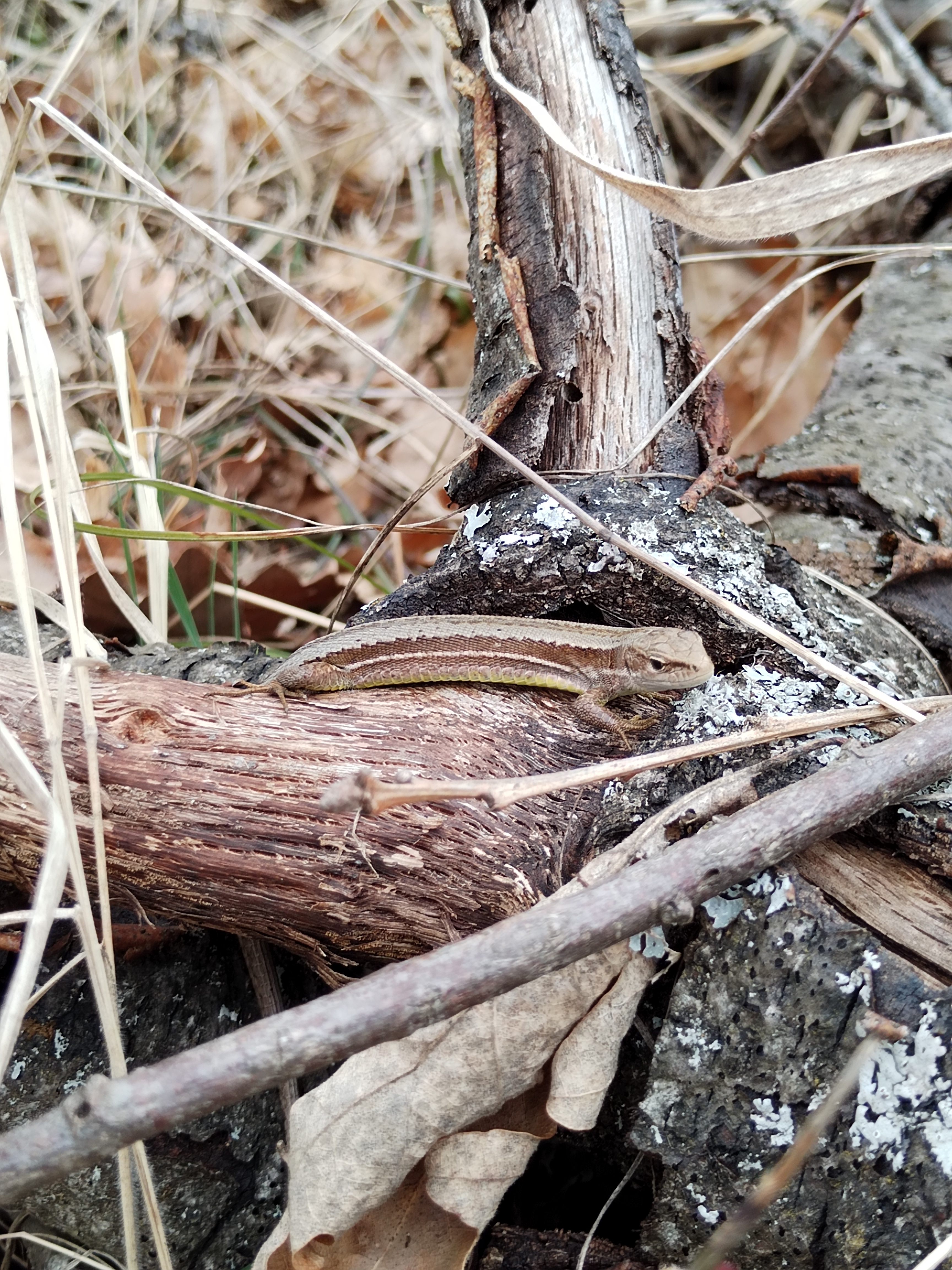
Lizards are very abundant and diverse in Bozevce. I observed 5 of the 8 species known in Kosovo. The Eastern Green Lizard (Lacerta viridis) is the biggest of these 5 species. The other four species, Common Wall Lizard (Podarcis muralis), Erhard’s Wall Lizard (Podarcis erhardii), Balkan Wall Lizard (Podarcis tauricus) and Meadow Lizard (Darevskia praticola) are of similar size and difficult to distinguish from each other. Balkan Wall Lizard, who likes warm habitats with low vegetation, and Meadow Lizard, who contrary to his name, inhabits open oaks forests, are both considered as Near Threatened on the Red Book of Fauna, and are threatened by the fragmentation and destruction of their habitats. On the other hand, Erhard’s Wall Lizard is assessed as Data Deficient, due to the scarce knowledge about its distribution and population trends.

Top-left : Eastern Green Lizard. Top Right : Meadow Lizard. Bottom left : Erhard’s Wall Lizard (©Agathe Chalopin). Middle Right : Common Wall Lizard (CC-BY-SA, Bernard Dupont). Bottom Right : Balkan Wall Lizard.

The Snake-eyed Skink (Ablepharus kitaibelii) is quite common in Bozevce meadows and other grassy places, and I even observed it in our garden! This small species has very short legs and moves swiftly when disturbed by “swimming” in the grass. Considered as Near Threatened in Kosovo, its population is declining due to agricultural intensification.

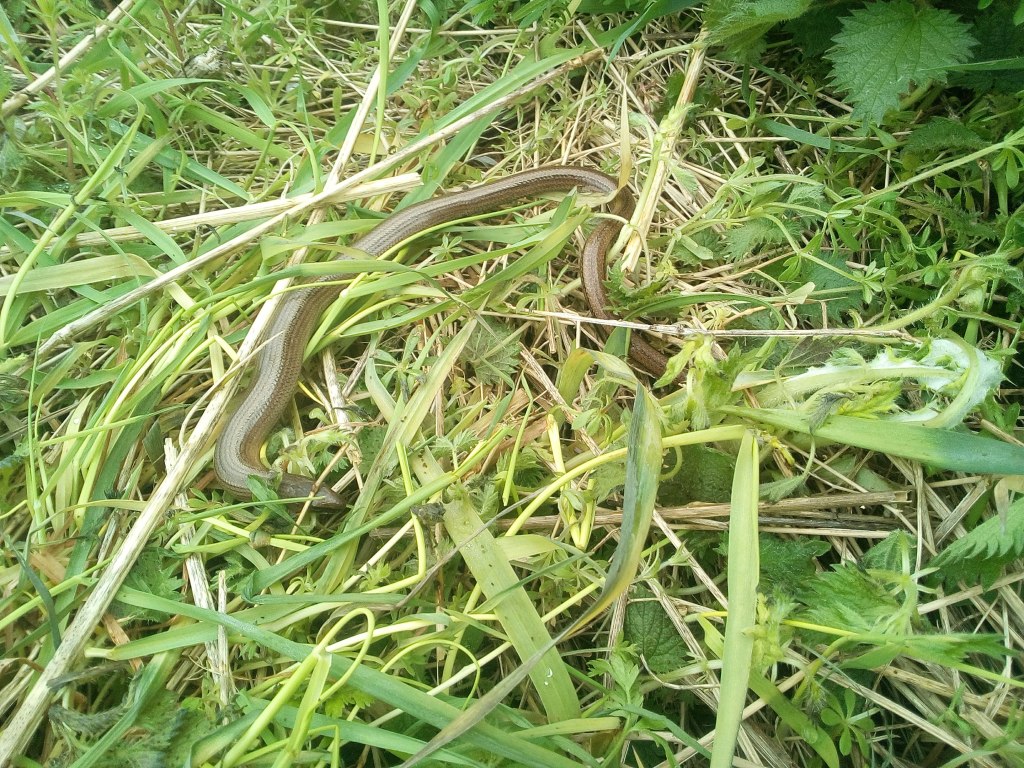
Slow Worms (Anguis fragilis) are also hosts of grassy environments, and contrary to Skinks, don’t have legs anymore. However, they are closer to lizards than to snakes, and useful for the gardener, feeding mainly on slugs and worms.

Snake-eyed Skink (Ablepharus kitaibeilii)
Slow worm (Anguis fragilis)

And finally, snakes! I observed 4 species until now in Bozevce, but I expect a fifth one to be present.

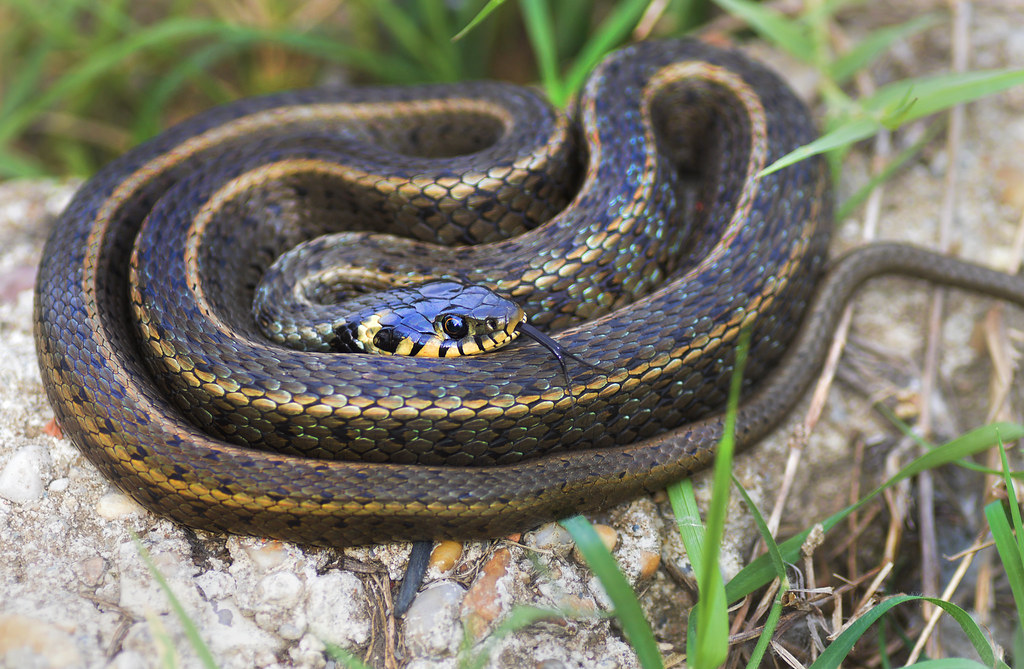
The Grass Snake (Natrix natrix), also known as Water Snake, is a species that likes wetlands and feeds mainly on amphibians. However, this species is not very demanding and can also feed on fish and rodents, and live in gardens, grasslands and open woodlands.

The Smooth Snake (Coronella austriaca) is an elusive species that inhabits drier environments than the Grass Snake, like heathlands or rocky grasslands. This quite small species (adult length is about 70 cm) feeds mainly on lizards.

These two species are both classified as Near Threatened in Kosovo and are endangered by the degradation and destruction of their habitats, but also by direct persecution. In fact, snakes are still feared by many people and victims of their bad reputation. Nevertheless in Europe, most snakes are totally inoffensive, and anti-venoms exist in case of bites of vipers (which are the only “dangerous” and venomous snakes in Europe). However, vipers rarely bite and are not aggressive.

Speaking of Vipers, Nose-horned Viper (Vipera ammodytes) is most likely present in Bozevce, even if I didn’t observe it yet. This small species (usually up to 65 cm) lives in the Balkans and part of Turkey. This species feeds mainly on rodents and lizards, and inhabits different biotopes, provided there are stones.

Nose-horned Viper (CC-BY, Mircea Nita)

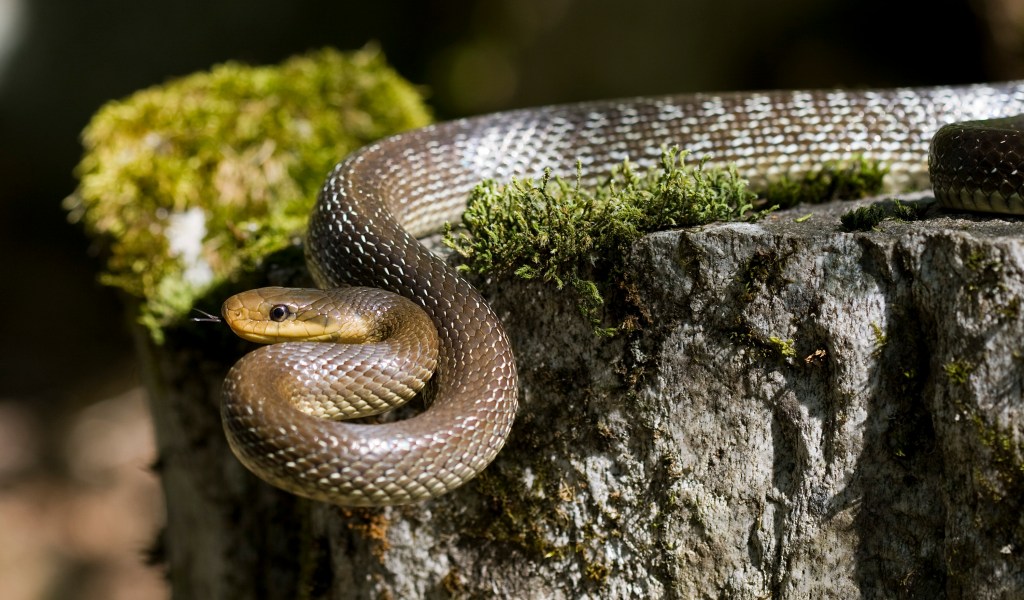
And finally, the two last species I observed here are bigger but inoffensive (for humans) snakes: the Caspian Whipsnake (Dolichopis caspius) can measured up to 2,5 m whereas Aesculapian Snake (Zamenis longissimus) can reach 2 m , even if most of the individuals are much smaller. Caspian Whip Snake is a host of warm and sunny habitats, like steppes or scrubland, where it feeds on small mammals, birds and reptiles.  Aesculapian Snake is an agile climber and uses this skill to hunt birds and mammals on shrubs and trees. Eggs and juveniles’ birds are also an important prey for this species of forested habitats.

That’s it, for now, for the rich reptile’s fauna of Bozevce! My return to Normandy will be “boring”: there, only 9 species of reptiles live… and none of them in my garden!

Latin nameEnglish nameAlbanian nameSerbian name
Testudo hermanniHermann’s tortoiseBreshka e zakonshmeŠumska kornjača
Lacerta viridisEastern Green lizardZhapiku i gjelbër evropianZelembać
Podarcis muralisCommon Wall LizardHardhuca e mureveObični zidni gušter
Podarcis erhardiiErhard’s Wall LizardHardhucat e ShqipërisëJužni zidni gušter
Podarcis tauricusBalkan Wall LizardStepski gušterHardhuca e barit
Darevskia praticolaMeadow LizardHardhuca e pyllitŠumski gušter
Anguis fragilisWorm LizardVjeshtull KakzogezaSlepić
Ablepharus kitaibeiliiSnake-eyed SkinkZhapi KëmbëvogëlKratkonogi gušter
Coronella austriacaSmooth SnakeGjarpri me gushëSmukulja
Natrix natrixGrass SnakeGjarpri i madh i ujitBelouška
Dolichopis caspiusCaspian WhipnakeShigjeta e GjatëStepski smuk
Zamenis longissimusAesculapian SnakeBolla e ShtëpisëEskulapov smuk
Name of reptiles present in Bozevce, in Latin, English, Albanian and Serbian

Source: Halil Ibrahimi, Agim Gashi, Daut Rexhepaj, Ferdije Zhushi Etemi, Linda Grapci Kotori, Zoltán Fehér, Taulant Bino, Lucija Šerić Jelaska, Gabor Mesaroš, Philippe Théou, 2019 – Libri I Kuq I Faunës, Së Republikës Së Kosovës.

Wildcat: an elusive host of Bozevce’s forest

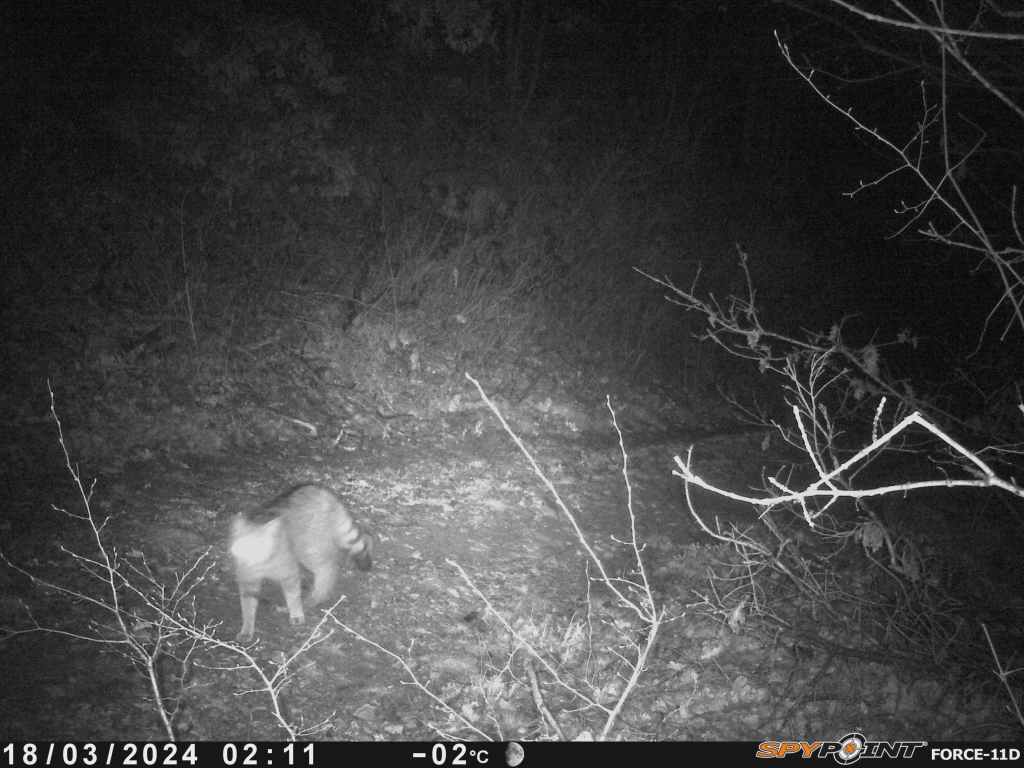
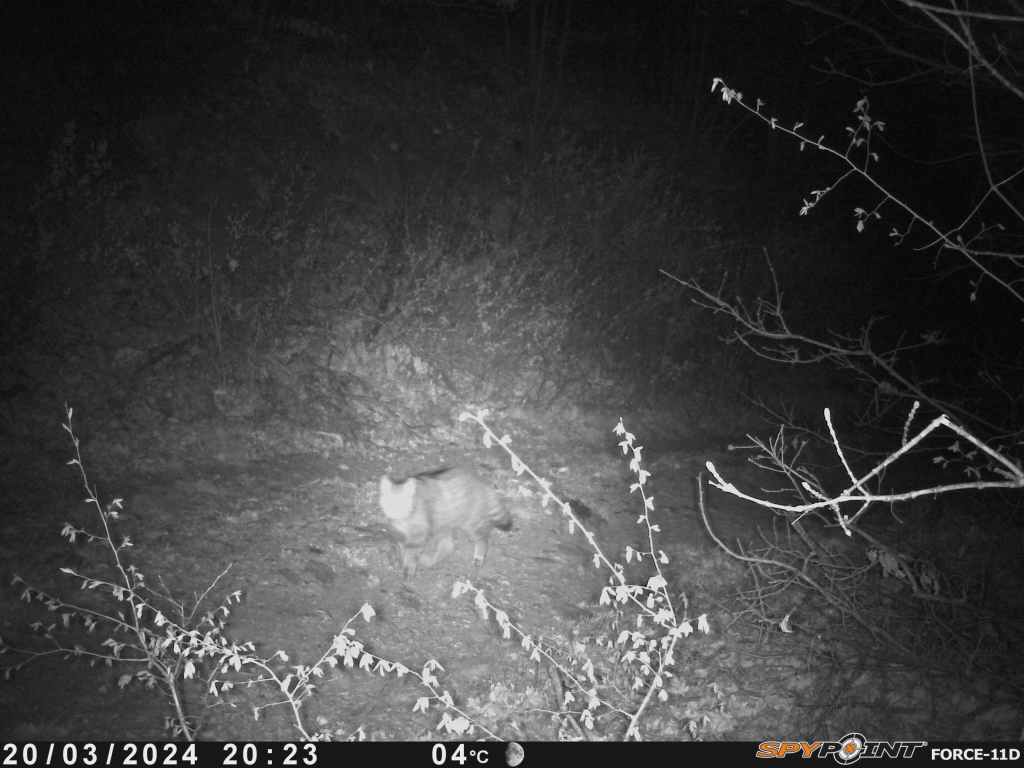
The photo trap is definitely a very practical tool. From March 17 to April 7, I left my photo trap on a path in the West of Bozevce, far from any houses. And the result exceeded my expectations: Fox, Badger, Wolves, Stone Marten… and Wildcat! In total, we took pictures of seven species of mammals and of three species of birds! Even far from any village, humans are still there: motorbikes, hunters and dogs were also using the path. We were hoping that the Wildcat would be present in Bozevce, but after 7 years of GAIA being here, this is only the first time we have managed to prove it! This very elusive species was photographed on 6 different nights, so this path seems to be part of its territory. But who’s the Wildcat?

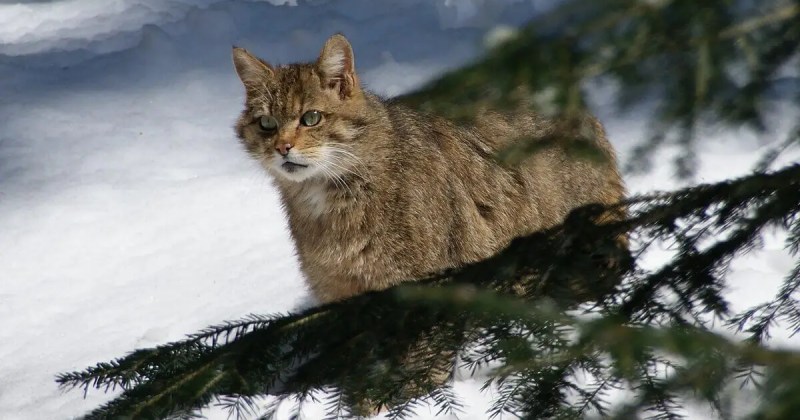
The European Wildcat (Felis silvestris silvestris) is an elusive host of our forests. He can be found in a wide range of habitats, ranging from forested areas, thickly vegetated scrub and open rocky areas, but he avoids areas where people are concentrated. Wildcats are extremely shy. They avoid approaching humans. Wildcats live alone in a territory whose size can vary depending on resources (availability of food, etc.), the presence of quiet places, as well as the season. Females generally have a much smaller territory than males. According to estimates, these territories can be 2 to 5 km² for females and reach 12 km² for males. It’s a strict carnivore, its diet mainly consisting of rodents and occasionally hares, birds and amphibians.

The Wildcat is very difficult to differentiate from the domestic cat. He is on average bigger and stouter. It has also longer fur and a shorter non-tapering bushy tail. Finally, its tail is ringed black, and it has a dark dorsal band.

Some others pictures from the camera trap :

Despite this, the European Wildcat… is not the ancestor of our domestic cats! This “honour” goes to the African Wildcat (Felis lybica). The first domestications took place 8,000 to 10,000 years ago during the Neolithic in the Fertile Crescent, a time corresponding to the beginning of cereal cultivation and the accumulation of reserves likely to be attacked by rodents. The African Wildcat became then for Man a useful auxiliary suitable for domestication.

During antiquity, European Wildcats occupied all western, central, and southern Europe. The elusive nature of the animal has fuelled fantasies far removed from reality. The little feline has long had a bad reputation as a ferocious beast. For centuries, numbers of wildcats have declined due to deforestation, but also because of these false beliefs, wildcats were hunted as a pest and for their fur.

Distribution map of Wildcat in Europe

Now protected throughout Europe, the Wildcat is making a cautious return to certain forests where it had disappeared. However, the situation is different in Kosovo. Here, the wild cat never disappeared, but its population is not doing so well. The wildcat is in decline and is classified as Near Threatened in Kosovo. The wild cat is threatened by the loss, degradation and fragmentation of its habitats, the forests. Road collisions and hybridization with domestic cats are two other threats to Wildcats.

The presence of this species is an indicator of the overall quality of the habitat. Its conservation involves the protection of its habitat, the forest. And by protecting the forests that are home to Wildcats, we protect all the biodiversity that lives there. So why not in Bozevce?

A magical encounter

Friday March 8. It’s 6:40 a.m., I just got up, and I’m hesitant to go running, because the day before, my knee was hurting. In the end, I’m going anyway. And I wouldn’t regret it. While I am on my way back, on the ridge, I see 4 shapes on the path, 150 m away from me. For a few seconds, I think they are wild boars. But I quickly realize that they are wolves! I don’t stop running and approach them. One disappears into the forest, then two others. The last wolf stays staring at me until I am only 30 m away from him. Then, he also disappears in the forest.

What a magical moment! For the nature lover that I am, seeing wolves is an incredible gift that they gave me. I was then asked if I had been scared. It was the opposite. I was euphoric, with tears in my eyes, because of joy. I have immense respect for this fabulous predator and will now explain you why we should not fear and why we should protect wolves.

Historically present throughout Eurasia and all of North America, the wolf, victim of persecution and a bad reputation (the famous Big Bad Wolf of the stories did a lot of harm to the European wolf), disappeared from many territories during the 19th and 20th centuries. It completely disappeared in Japan and declined sharply in India, USA, and Europe.

Wolves have always been at the heart of human fascinations and is represented in many cultures. They have often been the object of cults, superstitions, and persecutions. In most of European and North American legends, the wolf is a deceitful and merciless predator, and sometimes even a man-eater. However, most of these legends and stories, are based on misconceptions, not supported by scientific evidence.

Werewolves and the Big Bad Wolf, two representations of the wolf as a man-eater

In Europe, the wolf is not considered to be dangerous for humans by scientists. There has not been a single verified fatal wolf attack on humans in Europe in the last 40 years. Scientific evidence has shown that wolves do not treat humans as prey, and fatal encounters are exceptional. Most fatal attacks are caused by rabid wolves, in countries where this disease is still present.

Predation on livestock has been the main cause of wolf persecution throughout history and is currently the main source of conflict between wolves and people in Europe and in most of its global range. Wolves mainly kill vulnerable wild ungulates. Since domestic livestock is vulnerable when unprotected, the wolf follows its natural tendency and kills them. However, the impact of wolves on livestock is very small: in the European Union (numbers are difficult to find for Kosovo), wolves eat approximately 50 000 sheep and goats annually. However, there is 60 million sheep in the EU, meaning they eat just 0.065% of sheep! Moreover, areas with continuous wolf presence (like Kosovo) experience lower depredation levels compared to regions where carnivores disappeared and then returned within the last 50 years. The frequency of livestock damage is influenced by factors such as the abundance of natural prey, landscape features, and the implementation of protective measures. In fact, effective tools exist to protect livestock and are the solution for coexistence. Scientific studies have shown that shooting wolves to protect livestock is ineffective and counterproductive.

Wolf (Canis lupus) (Mas3cf – CC-BY-SA) and its repartition in the world

That’s it for the bad reputation of wolves. And why should we protect them? If you need more reasons that just the fact that wolves are very intelligent, social, and beautiful animals, wolves also play a key role in maintaining healthy ecosystems and biodiversity.  As top predators, they regulate deer and wild boar populations, who, when they are too numerous, tend to eat all the young trees. By selecting the most vulnerable prey, such as sick individuals, wolves can also reduce the incidence of diseases. Their presence ensures that our ecosystems are balanced and in good condition with numerous animals and plants thriving.

Since I wrote this article, I have seen wolf one more time while running (this time, one individual), and we get some pictures of wolves with our camera trap.

I hope that wolves will continue to haunt our forests for a long time…