

A warm afternoon during August in Bozevce. 35°C. Birds don’t sing anymore, it’s too warm. But some other creatures display their courtship songs. Krik-krik, krik-krik, Tss-tss-tss-tss, zziiip-zziiip-zziiip… Who are they? Crickets, grasshopers, and katydids!
Grasshoppers, crickets, katydids and locusts all belong to the order Orthoptera which means ‘straight wings’. Most are easily recognisable by their hind legs, which are usually enlarged for jumping. In fact, if humans could jump the way grasshoppers do, we would be able to easily leap the length of a football field!
Orthoptera undergo incomplete metamorphosis, meaning their young (nymphs) resemble the adults, just smaller and without fully developed wings.
Orthopteras are also famous for their sound production also called stridulation. These sounds are produced by rubbing the wings together or one leg against a wing. Many species use these calls to attract mates, and each species has a unique call. Some species don’t sing, and some katydids sing… but you will never hear them : they produce mating calls at frequencies beyond the range of human hearing (ultrasonic), some reaching up to 100 kHz. Location of Orthoptera’s “ears” (tympanal organs) is also surprising: they are located on the sides of their first abdominal segment (their belly) in grasshoppers or on the tibia of the front legs in crickets and katydids.
Most orthopterans are herbivorous feeding on a variety of plant materials including roots. However, katydids and crickets tend to be more omnivorous and some species are even scavengers or predators.
People have been consuming locusts and grasshoppers for centuries. Since they’re packed with protein, they’re an important nutritional staple, and are a regular component in local diets in many areas of Africa, Asia, and the Americas.


Grasslands, their quality, diversity and their sides habitats (hedgerows, banks, rocks…) are very important factors that explain the biodiversity of grasshopers and crickets
Orthoptera play important roles in the ecosystem such as being part of the food chain and prey to many vertebrate species. They are also sensitive to land use change and land use intensity, which makes them good bioindicators.
Almost 30 000 species of Orthoptera are known worldwide and approximately 1100 species in Europe. The Balkans region is particularly rich in Orthoptera species, with 300 species in the western Balkans, and much more in Greece and its islands. Balkans are also considered as an hotspot of endemic species (species that are found only there and nowhere else in the world). Kosovo is one of the least studied European countries for Orthoptera. Nothing is known about the number of species (which is probably between 150 and 200 if we look at neighboring countries), their repartition or what endangers them.
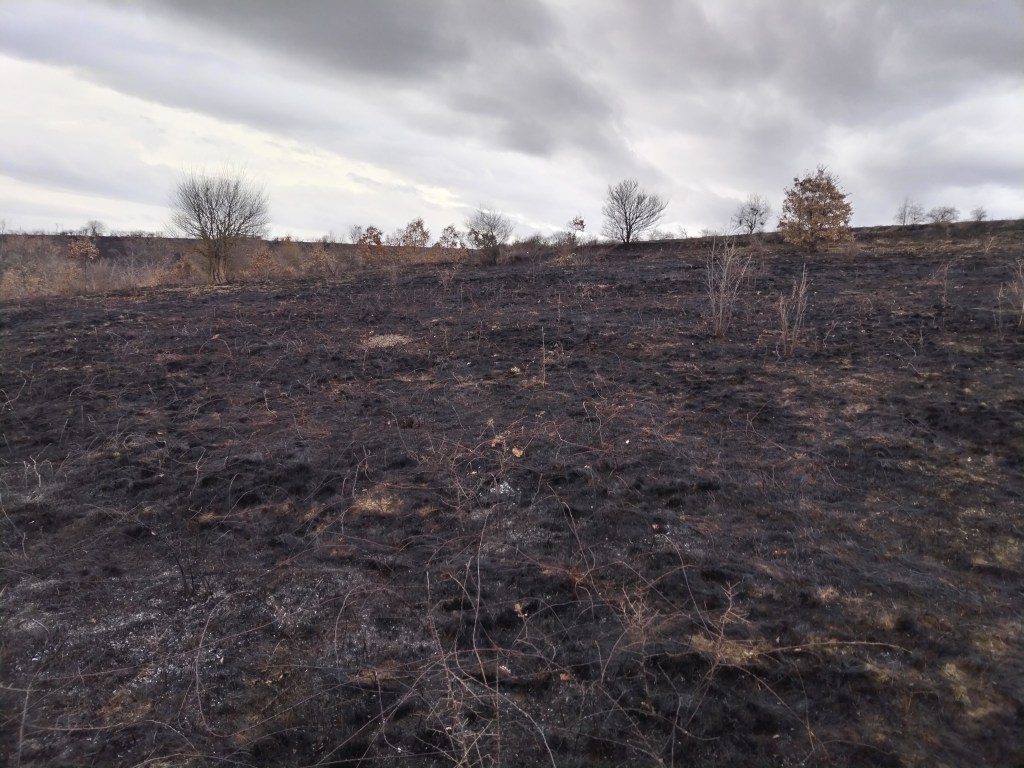
In Europe, approximately 30% of species are threatened with extinction. The main threat to European Orthoptera is the loss, degradation and fragmentation of their habitats as a consequence of agricultural land use intensification. Other important threats to Orthoptera are the increasing frequency of wildfires, touristic development and urbanisation, climate change, afforestation and intensive forest management, drainage and river regulations, recreational activities, deforestation, limestone quarrying and sand excavations and invasive species.
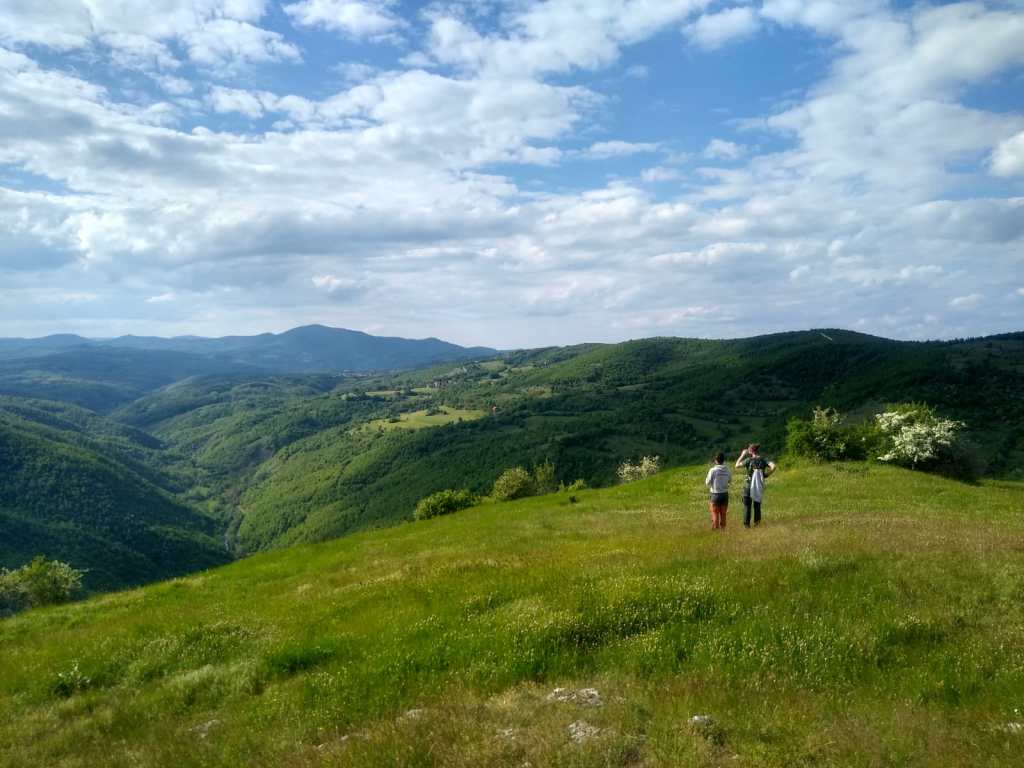
Bozevce, with its diversity of grasslands and habitats, and its warm summer, is particularly rich in grasshoppers and crickets. 52 species were observed or heard (songs are very important for identification) there… and more are probably present! Due to the lack of research in Kosovo, it is particularly difficult to study orthoptera: no books for identification, no specialists for help…


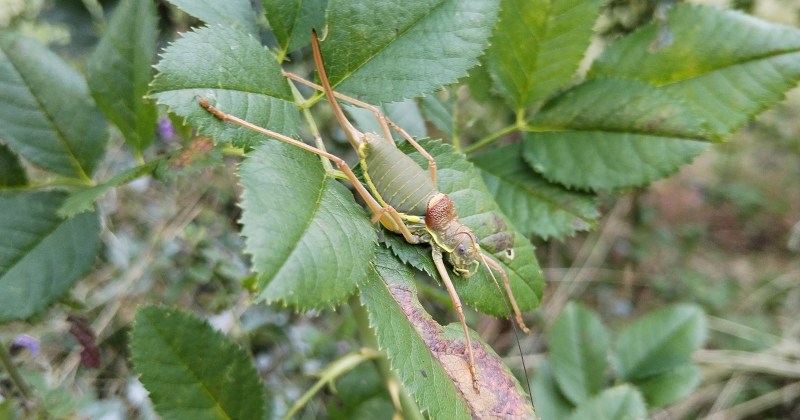
The Saddle-backed bush cricket (Ephippiger ephippiger) and the mole cricket (Gryllotalpa stepposa, Jacek Proszyk, CC BY-SA 4.0) two common species in Bozevce
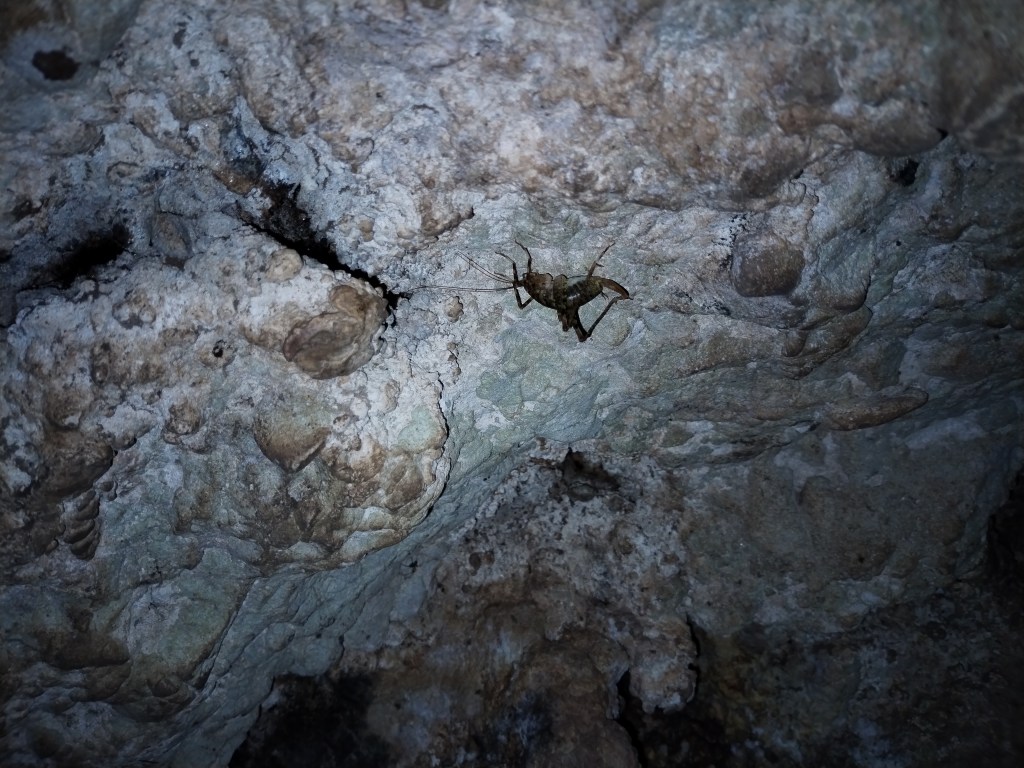
Banks of ditches are the favorite habitat of the strange mole cricket Gryllotalpa stepposa and of the tiny Pteronemobius heydenii. Lots of katydids and bush-crickets like to sing hidden in bushes, for example Ephippiger ephippiger or Ancistrura nigrovittata. Others live in trees, and notably oaks, where they find their food, and are mainly detected by their song, like Leptophyes punctatissima or Phaneroptera nana. Grasslands are the favorite habitats of grasshopers but also of some katityds and crickets. Some species, like the lily bush-cricket Tylopsis lilifolia or the small gold grasshoper Euthystira brachyptera will prefer tall grass, while others like Paracaloptenus caloptenoides and the blue-winged grasshopers Oedipoda caerulescens inhabits warmer area with very short grass and stones. Finally, one species, the cave-cricket Troglophilus neglectus is even adapted to life in caves: small eyes, long legs and long antennas to orient itself in the absence of light!

 Permaculture as a Path to Peace