


Last weekend, when snow was falling and temperatures were below zero, I went to Perlepnica lake to count Waterbirds as part of the International Waterbird Census (IWC).
IWC is an international programme that has been organized since 1967 in 143 countries, and which uses waterbirds as an indicator of the status of wetlands. In fact, Waterbirds are a key part of wetland ecosystems and therefore, their presence, numbers and trends at a site can tell us a lot about the health and quality of a wetland. Moreover, this program also aims to monitor the status of waterbirds for themselves, and to increase public awareness on issues related to wetland and waterbird conservation. To achieve these goals, waterbirds (grebes, cormorants, herons, egrets, ducks, gulls…) are counted every year in January by thousands of volunteers in thousands of wetlands around the world. The census should be done in a short period (ideally, during a weekend) to avoid counting birds twice. It should also be done every year at the same site and with the same methodology to obtain long-term data, which are needed to evaluate the status of waterbirds and wetlands.


Left : Map of inventoried sites in 2024. Right : World map of the sites participating in the IWC
In Kosovo, the International Waterbirds Census took place for the first time only in 2019. It is coordinated by the Kosova Environmental Education & Research Center (KEERC) in partnership with the Kosovar Ornithological Association and the Protection and Preservation of Natural Environment in Albania (PPNEA).


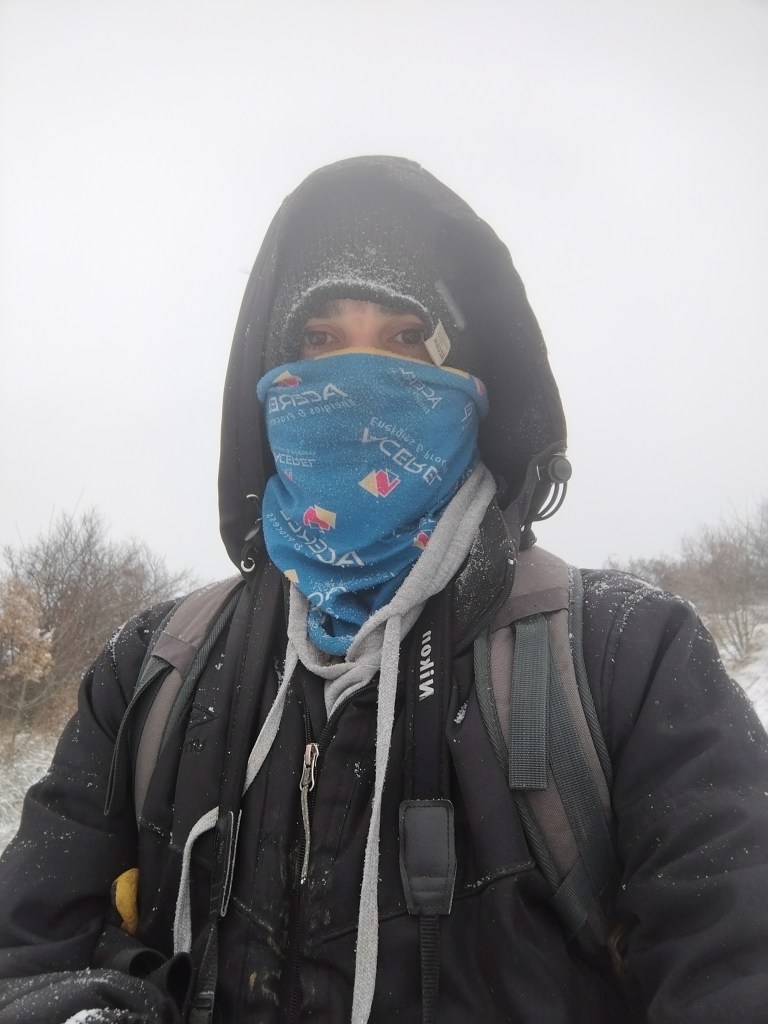
Last Saturday, I joined Qenan Maxhuni, the coordinator of the IWC for Kosovo, at Perlepnica lake. Only 26 mallards (Anas platyrhynchos) were present, but Perlepnica lake is not the main wintering site for Waterbirds in Kosovo. Dr Maxhuni was kind enough to send me the report from last year: 11 sites were monitored for a total of 6200 Waterbirds of 15 species. Even if this looks like a lot (or at least much more than our 26 ducks), it is not so much, but it could easily be explained by the location and hydrography of Kosovo. There are no very big rivers with floodplains in Kosovo, and we are also not so far from the sea. Coastal lakes in Albania and Greece and the Danube floodplain are much more interesting for Waterbirds for wintering, and the diversity and number of Waterbirds counted there is therefore much higher.

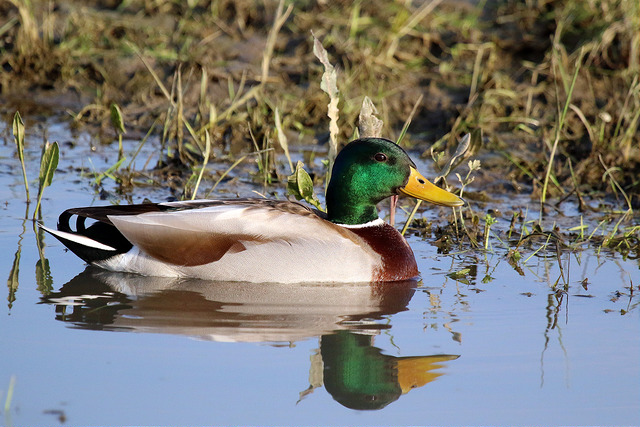

Perlepnica lake in Summer and the Mallard (Anas platyrhynchos) (CC-BY-2.0, Charlesjsharp)
Happily, I didn’t go to Perlepnica only for 26 mallards, as I observed 26 species of birds under a magnificent snowy landscape.
Jules
 Permaculture as a Path to Peace